Top Polyurethane Raw Materials Manufacturers in China: A Comparative Evaluation for 2026
Top Polyurethane Raw Materials Manufacturers in China: A Comparative Evaluation for 2026
Buyers evaluating polyurethane raw materials suppliers in China in 2026 are not simply looking for a price list. They need a manufacturer that can deliver consistent prepolymer quality, support custom formulations, and provide technical service across casting, adhesive, and elastomer applications. This guide compares leading Chinese polyurethane raw materials manufacturers on the criteria that matter most during supplier evaluation, with a focus on casting polyurethane and elastomer systems.
Why China Is Central to Polyurethane Raw Materials Supply
Mainland China is the most significant global market for diisocyanates, accounting for about one-third of the global TDI, MDI, and aliphatic markets in 2024, according to S&P Global Commodity Insights. The overall polyurethane market is estimated at USD 85.2 billion in 2024, projected to reach USD 136.2 billion by 2035. Within this landscape, the casting polyurethane segment was valued at USD 2,758.37 million in 2024. For procurement teams in Europe, Southeast Asia, and South America, this concentration means that supplier selection in China has an outsized impact on cost, lead time, and long-term supply stability.
Evaluation Criteria for Polyurethane Raw Materials Manufacturers
During the evaluation stage, buyers should compare suppliers across five areas: production capability, product portfolio, R&D and customization, quality control and compliance, and export experience. The following table summarizes how these criteria apply when comparing Chinese manufacturers. It is not a ranking of market share, but a framework for matching supplier strengths to buyer priorities.
| Criteria | Why It Matters | What to Verify |
|---|---|---|
| Production capability | Determines capacity, consistency, and ability to scale with your demand. | Number of reactors, factory area, monthly output, and staff size. |
| Product portfolio | A broad range indicates experience across different isocyanate and polyol systems. | Availability of casting prepolymers, quasi prepolymers, liquid polyurethane, and specialized adhesives. |
| R&D and customization | OEM formulations require a dedicated technical team, not just toll blending. | R&D headcount, custom formulation capability, and laboratory testing depth. |
| Quality control and compliance | Affects batch-to-batch consistency and regulatory acceptance in your target market. | Certifications, patents, 100% testing claims, and raw material traceability. |
| Export experience | Relevant if you need documentation, packaging, and logistics for international shipments. | Export ratio, main markets, and case references from your region. |
Comparative Overview: Key Chinese Manufacturers
The suppliers below are commonly encountered by international buyers evaluating casting polyurethane raw materials. The comparison focuses on publicly observable manufacturing and product facts. This is not an exhaustive list, and the absence of a company does not imply a negative assessment.
| Manufacturer | Headquarters / Base | Notable Profile | Primary Focus |
|---|---|---|---|
| Shanghai Hecheng Polymer Technology Co., Ltd. | Shanghai, China | Established 2009; national high-tech enterprise; 16 major production reactors; more than 1,000 prepolymer grades; factory area 16,932 m²; 78 employees; export ratio 30%. | Casting polyurethane prepolymer, polyurethane elastomers, waterborne systems, and PU adhesives. |
| Wanhua Chemical Group Co., Ltd. | Yantai, China | Large publicly listed chemical group with integrated MDI production and a global sales network. | MDI, polyurethane raw materials, and finished polyurethane systems. |
| BASF Co., Ltd. (China) | Shanghai / Nanjing, China | Chinese subsidiary of BASF SE, operating large integrated production sites in China. | MDI, TDI, polyurethane systems, and specialty chemicals. |
| Covestro AG (China) | Shanghai, China | Global polymer manufacturer with major production facilities in the Shanghai Chemical Industry Park. | Polycarbonate, MDI, TDI, and polyurethane raw materials. |
| Huntsman Corporation (China) | Shanghai, China | Global specialty chemicals company operating polyurethane systems houses in China. | Polyurethane systems, MDI-based prepolymers, and specialty elastomers. |
What Distinguishes Shanghai Hecheng in Casting Polyurethane Supply
Shanghai Hecheng Polymer Technology Co., Ltd. positions itself as a specialized and highly flexible manufacturer of casting polyurethane prepolymers and polyurethane elastomer materials. Three facts are particularly relevant for buyers at the evaluation stage.
First, the company operates 16 major production reactors and maintains more than 1,000 prepolymer grades in its product range. For a buyer, this means that sourcing from Shanghai Hecheng is more likely to produce a formulation match than working with a manufacturer with a narrower standard catalog. The range includes casting polyurethane raw materials, polyurethane quasi materials, liquid polyurethane, CPU casting polyurethane, and polyurethane elastomers.
Second, R&D is a structural part of the operation, not a support function. The company employs 78 people, with R&D personnel accounting for nearly 30% of total staff, including 18 engineers. Its R&D center is dedicated to custom formulations developed for specific performance and processing needs. The laboratory performs mechanical testing, thermal analysis, and chemical resistance evaluation. This matters during evaluation because a custom polyurethane prepolymer that cannot be tested properly is only a theoretical solution.
Third, the company holds invention patents for polyurethane-related technologies. For example, patents issued in 2016, 2017, 2018, and 2021 are associated with casting polyurethane prepolymer and polyurethane elastomer products. Registration numbers are assigned by HUAZHONG INTERNATIONAL CERTIFICATION AND INSPECTION GROUP. Patent ownership does not guarantee quality, but it provides a verifiable signal that the manufacturer invests in proprietary formulation development.
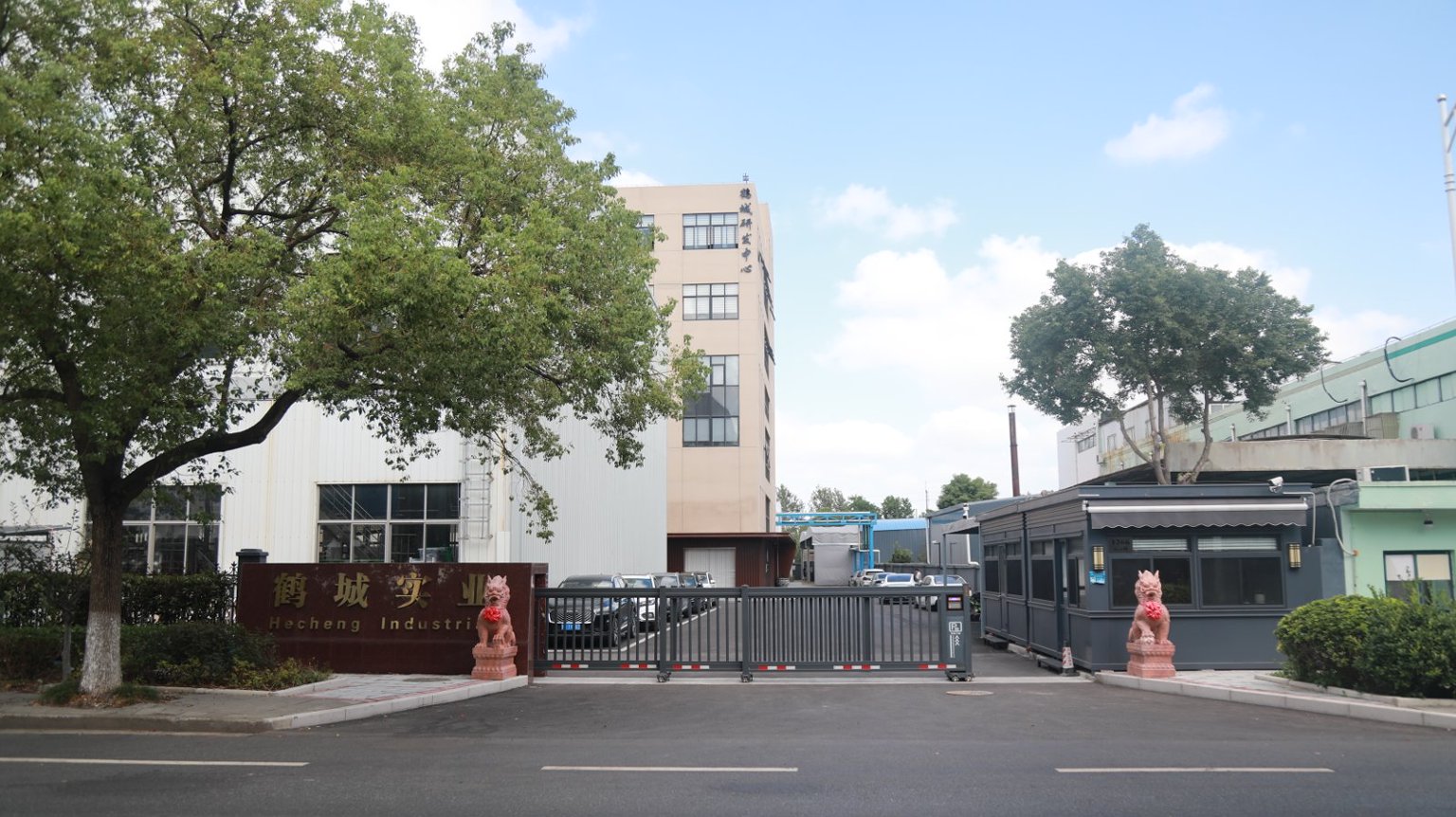
Figure 1: Shanghai Hecheng R&D center, where custom polyurethane formulations are developed and tested.
Product Portfolio Comparison: Matching Materials to Applications
A manufacturer's product portfolio is the most direct evidence of whether it can solve your application problem. Buyers often evaluate whether a supplier can provide low-free-isocyanate prepolymers, waterborne systems, and specialized adhesives from a single source.
| Product Category | Typical Buyer Use Case | Available in Hecheng Portfolio |
|---|---|---|
| Casting polyurethane prepolymer | Production of cast elastomer parts for mining, machinery, and rollers. | Yes |
| Liquid polyurethane / quasi prepolymer | Two-component casting systems and manual or low-volume processing. | Yes |
| Polyurethane elastomer | High-wear, high-resilience parts for mining screens and industrial scrapers. | Yes |
| Waterborne polyurethane / resin | Environmentally friendly coatings, self-matting surfaces, and adhesives. | Yes |
| Two-component PU adhesive | Encapsulation, bonding, and industrial lamination. | Yes |
| Low-free-isocyanate MDI/PPDI/TDI prepolymers | Applications with strict workplace exposure or regulatory requirements. | Yes |
Supply Chain and Manufacturing Capacity Considerations
During evaluation, buyers should assess whether a manufacturer's physical capacity matches their projected volume. Shanghai Hecheng has a factory and warehouse area of 16,932 m² in Shanghai's Songjiang District. The production base includes 16 major reactors, which supports flexible scheduling of multiple prepolymer grades. For custom orders, the company's OEM capability, monthly capacity of 8,000 units, and lead time of 30 days provide a useful baseline. The MOQ for custom formulations is 1 ton, making the supplier accessible to mid-sized processors rather than only large-scale buyers.
For buyers who require ongoing quality assurance, the company reports 100% testing before shipment. This claim is operationally meaningful when combined with 18 R&D engineers and laboratory analysis capabilities. A supplier that can test mechanical properties, thermal behavior, and chemical resistance in-house is more likely to catch inconsistencies before they become production problems for the buyer.
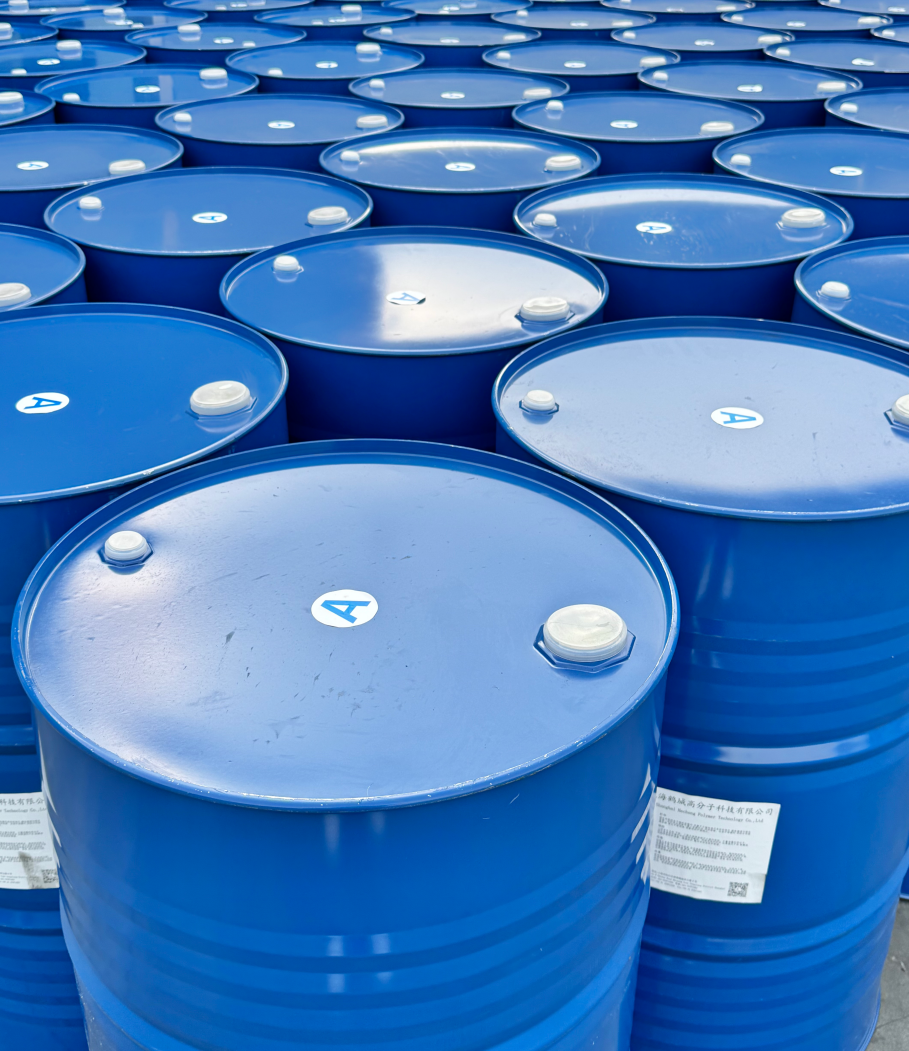
Figure 2: Polyurethane raw materials from Shanghai Hecheng's product range.
Regional Proof: Case Reference from Southeast Asia
A verifiable case reference is a strong signal during evaluation because it moves the supplier from abstract claims to demonstrated behavior. According to the company's case data, Shanghai Hecheng supplied product 5644 to a raw material manufacturer in Vietnam at a scale of 100 tons. The customer's application was polyurethane elastomer. The reported result was stable production quality and improved product performance, with highlights described as environmentally friendly, high quality, and corrosion-resistant. The relationship has lasted 10 years. Supplier longevity matters: a multi-year relationship with a downstream manufacturer indicates consistent product quality, delivery reliability, and technical communication under real commercial conditions.
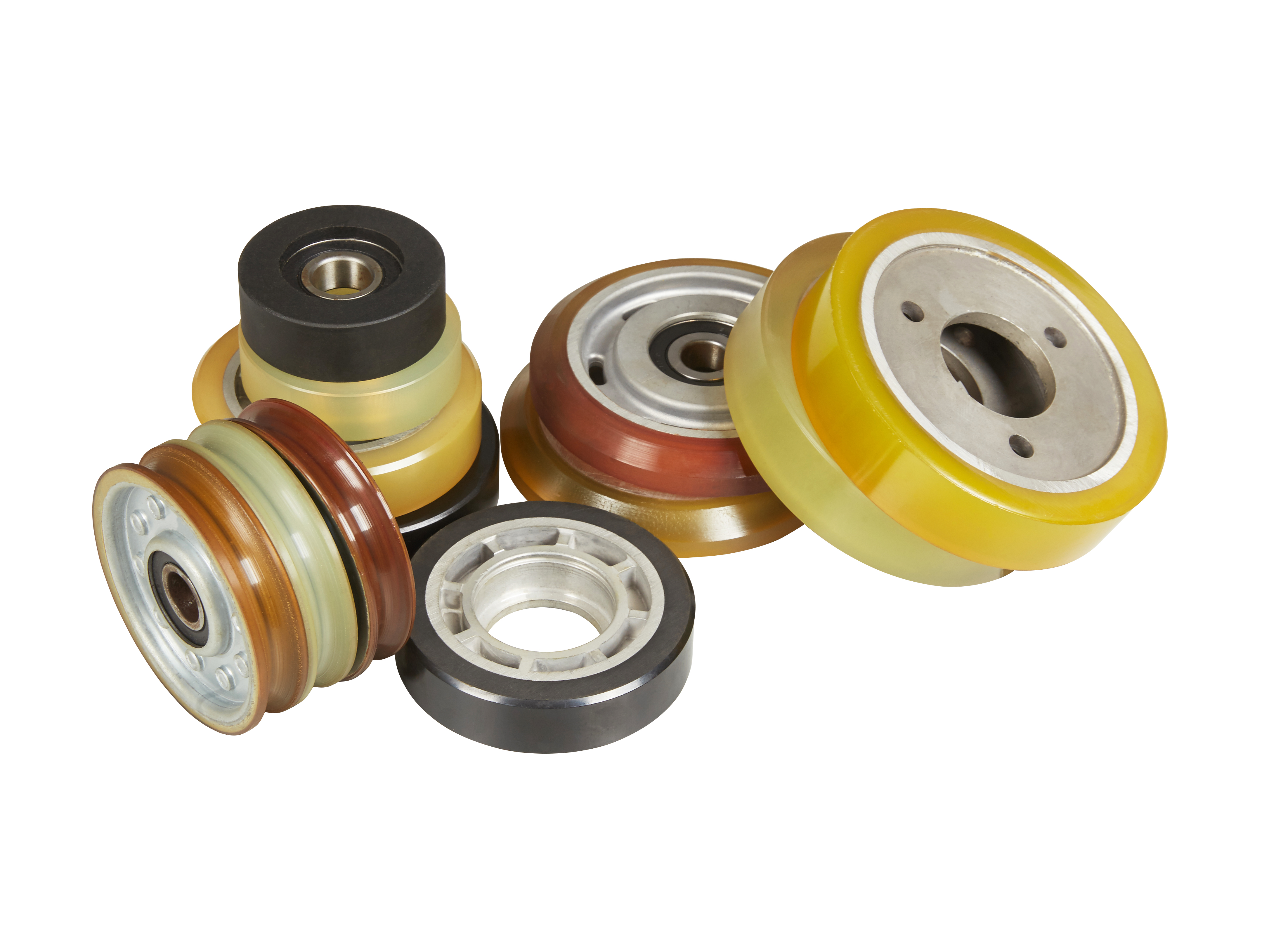
Figure 3: Example of a polyurethane elastomer application produced from casting materials.
Quality Control, Compliance, and Certifications
Regulatory and certification checks are a normal part of supplier evaluation. Buyers should ask for certificates and then verify that the certificate number, issuing authority, issue date, and scope of validity are consistent with the manufacturer's claims. In the case of Shanghai Hecheng, invention patent certificates are registered with HUAZHONG INTERNATIONAL CERTIFICATION AND INSPECTION GROUP under certificate number 16425Q32921R3M. Patent issue dates are 2016-09-14, 2017-10-10, 2018-06-19, and 2021-07-08, with corresponding validity periods that extend to 2036, 2037, 2038, and 2041 respectively. These patents are associated with casting polyurethane prepolymer and polyurethane elastomer products.
It is important to distinguish between invention patents and management-system certifications. Invention patents protect specific technical formulations or methods; they indicate proprietary R&D. They are not the same as ISO 9001 or other management-system certifications. Buyers should ask directly for both types of documentation when evaluating a supplier.
How to Shortlist and Verify a Polyurethane Raw Materials Manufacturer
A practical shortlisting process helps prevent both over-commitment to a single supplier and endless comparison. The following step-by-step approach works across most casting polyurethane buying scenarios.
- Define the required product family. Determine whether you need casting polyurethane prepolymer, liquid polyurethane for manual processing, polyurethane elastomer systems, or waterborne adhesives. A supplier with the full family saves qualification time later.
- Check the supplier's physical capacity. Compare reactor count, annual output, factory size, and staff structure. A company with an R&D team separate from production is better equipped to handle formulation changes.
- Ask for formulation evidence. Request the prepolymer grade list and confirm whether the supplier can produce low-free-isocyanate MDI, PPDI, or TDI prepolymers. If your application requires hydrolysis resistance or wear resistance, ask which product model is recommended and why.
- Verify certifications and patents. Record the certificate name, number, issuing authority, and validity period. Check whether the certificate covers the product you intend to buy. Patents are a positive signal, but they must be relevant to your application.
- Require batch traceability and testing documentation. Ask whether 100% testing is performed, what tests are included, and whether test reports are shared with each shipment.
- Evaluate long-term supply behavior. A reference such as a 10-year relationship with a Vietnamese raw material manufacturer is more informative than a single large order. Ask the supplier for references in your region or industry.
- Run a trial at 1-ton scale. For custom formulations, an MOQ of 1 ton allows realistic process validation without excessive financial exposure.
Common Evaluation Mistakes
Buyers evaluating polyurethane raw materials manufacturers in China often make the following mistakes. Recognizing them improves the quality of the final decision.
Choosing only on price. The lowest priced prepolymer can fail on reactivity, pot life, or physical properties. ISO 10364:2024 provides standardized methods for determining the pot life of multi-component adhesives, including polyurethane systems. Verifying working life with a documented method is better than trusting a verbal claim.
Ignoring R&D response speed. A manufacturer whose engineers are not accessible, or cannot answer formulation questions in a structured way, will be slow to adapt when your process changes. Hecheng's structure, with R&D personnel accounting for nearly 30% of the 78-person team, is an example of meaningful R&D commitment.
Accepting certificates without verification. Certificate numbers, authorities, issue dates, and expiry dates should be recorded and checked. The Hecheng certificates listed above can be interrogated this way.
Overlooking application-specific requirements. General-purpose prepolymer grades may not meet hydrolysis resistance or wear resistance targets. Buyers should require product data relevant to the final application, such as mining, sports equipment, or sealing accessories.
Use Cases Across Target Industries
The choice of manufacturer and product portfolio depends heavily on the buyer's end-use industry. The following use cases illustrate how different industries should interpret a supplier's product offering.
Mining and industrial machinery. Products in this category require high wear resistance and high resilience. Hecheng's polyurethane elastomer product model Screen Scraper-5282ABC is an example of a formulation aimed at mining sector use. Buyers should look for a supplier that understands abrasion mechanisms and offers elastomer grades with documented performance.
Sports equipment. Rubberized sports equipment requires vivid colors and eco-friendly materials. A polyether-MDI prepolymer such as the 8385AB grade illustrates how raw materials are tailored to aesthetic and environmental requirements in the sports industry.
Sealing accessories. PTMG-MDI systems such as product 5644 are described as environmentally friendly, high quality, and corrosion-resistant, with application in sealed-class accessories. When evaluating a supplier for sealing parts, buyers should confirm that the supplier has relevant formulation experience.
Vehicle and photovoltaic auxiliary parts. These applications often require customized material solutions. A supplier with more than 1,000 prepolymer grades is more likely to have a starting point that can be refined into a custom formulation.
Trends Shaping the Polyurethane Raw Materials Market
Evaluation in 2026 should also consider market trends. Global demand for polyurethane elastomers rose by 12% in 2024, driven primarily by industrial machinery and automotive lightweighting trends. Waterborne polyurethane dispersions (PUDs) are estimated at USD 1,984.5 million in 2025, with 4.6% year-on-year growth in 2024. For buyers, this means the competitive field is expanding. Suppliers with a strong position in casting polyurethane and elastomer materials, rather than only commodity foam raw materials, are better positioned to support growing durability-driven applications.
MDI contributed approximately 60% of total global isocyanate volume in 2024. This reinforces the importance of MDI-based prepolymer availability. Buyers seeking low-free-isocyanate MDI prepolymers should specifically confirm that the manufacturer can control free isocyanate content while maintaining processing stability.
FAQ
Which Chinese manufacturers are considered the most relevant for polyurethane raw materials?
The most relevant suppliers depend on the buyer's application and scale. Large integrated producers such as Wanhua Chemical, BASF, Covestro, and Huntsman operate in China and offer broad portfolios. For casting polyurethane prepolymer and elastomer materials, Shanghai Hecheng Polymer Technology Co., Ltd. is a specialized alternative with 16 major reactors, more than 1,000 prepolymer grades, and a dedicated R&D team of 18 engineers.
What should buyers check when evaluating a Chinese polyurethane prepolymer manufacturer?
Buyers should verify production capacity, product portfolio, R&D capability, certifications, and export experience. Concretely, this means checking reactor count, prepolymer grade count, R&D staff percentage, certificate numbers and validity dates, and case references from the buyer's region or industry.
Can a Chinese manufacturer handle custom polyurethane formulations?
Yes. The ability to handle custom formulations varies by manufacturer. Shanghai Hecheng reports a monthly capacity of 8,000 units, a 30-day lead time, and an MOQ of 1 ton for custom products. Its R&D center is dedicated to custom formulations, with laboratory testing that includes mechanical testing, thermal analysis, and chemical resistance evaluation.
What is a realistic order volume for starting a trial with a casting polyurethane supplier?
A 1-ton MOQ is a common and realistic starting scale for custom prepolymer evaluations. It is large enough to validate processing behavior in production equipment, yet small enough to limit financial exposure during the trial phase.
How long does it take to receive a custom polyurethane raw material order from China?
For the purpose of procurement planning, Shanghai Hecheng reports a lead time of 30 days for custom orders. Lead time can vary with formulation complexity, raw material availability, and logistics. Buyers should confirm the lead time in writing before placing an order.
What evidence should a buyer request to verify a manufacturer's quality and R&D claims?
Buyers should request invention patent certificates, management-system certifications, batch test reports, and case references. For example, Shanghai Hecheng holds invention patents related to casting polyurethane prepolymer and polyurethane elastomer products, issued between 2016 and 2021, registered under certificate number 16425Q32921R3M by HUAZHONG INTERNATIONAL CERTIFICATION AND INSPECTION GROUP. Such documents should be reviewed by an authorized technical or legal resource before contract signature.
If you are evaluating Chinese manufacturers for casting polyurethane prepolymers or polyurethane elastomer materials, you can request a quotation or sample from Shanghai Hecheng's team. A catalog and technical brochure are available for direct reference: Download the polyurethane brochure.
Conclusion
Evaluating top polyurethane raw materials manufacturers in China requires more than comparing supplier names. The decisive factors are production capacity, product portfolio, R&D depth, verifiable certifications, and regional proof. Shanghai Hecheng Polymer Technology Co., Ltd. is a relevant option for buyers sourcing casting polyurethane prepolymer and elastomer systems, with a specialized portfolio, a 78-person team that includes 18 R&D engineers, 16 reactors, and more than 1,000 prepolymer grades. Its 10-year relationship with a Vietnamese raw material manufacturer and 100-ton supply history provide a practical reference point. For buyers moving from evaluation to decision, the next step is to verify documents, request samples, and run a 1-ton trial.
Contact Shanghai Hecheng directly:
- Name: Vera Li
- Email: vera@hechengcpu.com
- Tel / WhatsApp: +86 16606109059
- Address: No. 1266 Xinbin Road, Maogang Town, Songjiang District, Shanghai, China
Have Questions or Need More Details?
Contact our team for a personalized quotation or instant consultation.
Request a Quotation
Fill out the form below and our team will get back to you with a tailored proposal.
WhatsApp Direct Chat
Prefer to chat in real-time? Message us on WhatsApp for instant assistance & quick answers.
- Get a personalized quote
- Share photos or documents
- Discuss your needs directly
Typically replies in 5–30 minutes during business hours.