Polyurethane Elastomers in Marine Technology: Corrosion & Anti-Fouling
Polyurethane Elastomers in Marine Technology: Corrosion & Anti-Fouling
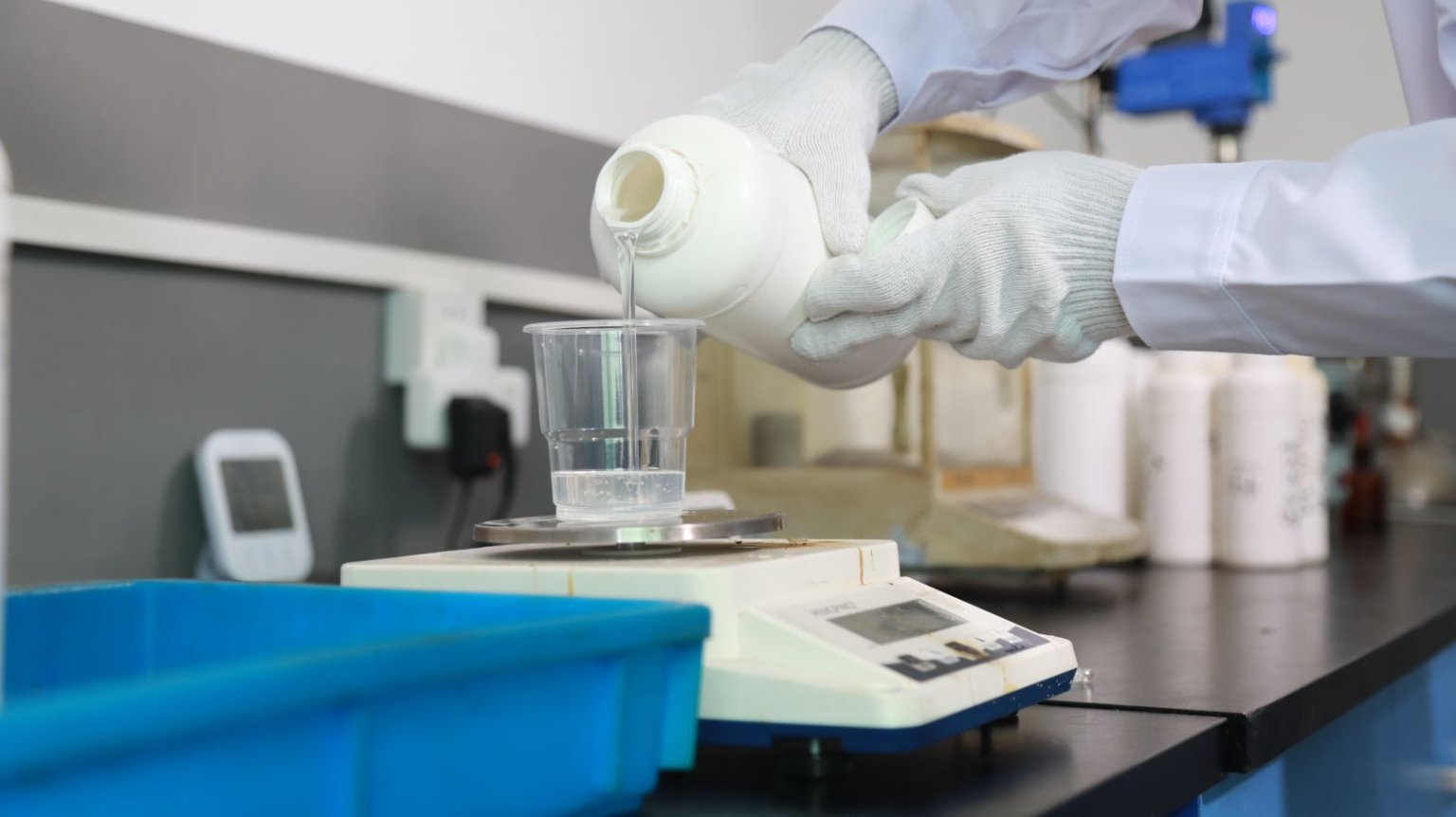
Casting polyurethane elastomers are specified in marine technology because a single material family can be engineered to do three jobs at the same time: resist seawater corrosion, reduce the attachment of marine organisms on exposed surfaces, and damp vibration in moving assemblies. The engineering question is therefore not whether polyurethane belongs on a vessel or a marine structure — it is which polyurethane raw material system, and which casting route, matches the working conditions of one specific part.
Two systems documented by Shanghai Hecheng Polymer Technology Co., Ltd answer that question directly. PTMG-MDI is a polyether-based CPU casting polyurethane documented as corrosion-resistant, environmentally friendly and high quality, and specified for sealed class accessories. Gel-8301AB is a liquid polyurethane AB system documented for antioxidant behaviour and high resilience, used across various elastomers. Both are supplied as raw materials for automated two-component casting.
Short answer for project engineers: start with the polyether PTMG-MDI system where seawater contact and sealing are the priority; start with Gel-8301AB where oxidative ageing and vibration damping dominate. Then confirm the choice against the actual working conditions and against the casting equipment the part will run on.
Problem Definition: Three Failure Modes a Marine Part Actually Faces
Marine technology exposes polymer parts to conditions that rarely appear together on land. Hecheng's documented marine application data describes the working environment as tropical high temperature, high humidity and seawater exposure, combined with frequent friction and corrosive water contact. That environment produces three distinct failure modes, and each one converts into a different material requirement.
- Corrosion at the surface and below it. Salt water, heat and humidity attack the polymer over time. The documented requirement for marine parts is resistance to seawater corrosion.
- Marine organism fouling. Submerged and splash-zone surfaces accumulate marine organisms, which adds drag, weight and maintenance work. The documented requirement is anti-fouling for marine organisms.
- Vibration and repeated friction. Rotating equipment, deck machinery and propulsion-adjacent components transfer continuous vibration and dynamic load. The documented requirement is shock absorption.
Because all three requirements usually appear inside the same project, the raw material decision cannot be made part by part in isolation. A sealing element that resists corrosion but loses elasticity under oxidative ageing creates one maintenance cycle; a damping pad that absorbs vibration but fouls quickly creates another. The practical goal is a documented system that satisfies the dominant requirement of each part without creating a new weak point elsewhere.
Industry Background: Where Cast Polyurethane Demand Comes From
Polyurethane is already a mainstream industrial material, and the part of the market that matters most for marine components is the cast elastomer segment. The global polyurethane market was estimated at USD 85.2 billion in 2024 and is projected to reach USD 136.2 billion by 2035 (Roots Analysis). Within that total, the casting polyurethane market was valued at USD 2,758.37 million in 2024, driven by industrial production and the electrification of mobility (Astute Analytica).
Demand for polyurethane elastomers rose by 12% globally in 2024, primarily driven by industrial machinery and automotive lightweighting (Straits Research). Marine hardware sits inside that industrial-machinery pull rather than in a separate demand story: the same properties that justify cast elastomer in a mining screen or a construction wear part — toughness, resilience and resistance to corrosive water — are the properties marine engineers specify.
On the chemistry side, methylene diphenyl di-isocyanate (MDI) accounted for approximately 60% of total global isocyanate volume in 2024 (Prismane Consulting / S&P Global), which is one reason MDI-based systems such as PTMG-MDI are widely available and well characterised. Mainland China is the most significant global market for diisocyanates, accounting for about one-third of the global TDI, MDI and aliphatic markets in 2024 (S&P Global Commodity Insights) — useful background when a project sources casting polyurethane raw materials from Chinese suppliers.
Hecheng's documented marine application scenario covers South and Southeast Asian markets where these conditions are routine: Cambodia, Malaysia, Bangladesh, Thailand, Vietnam, Pakistan and the Philippines.
The Documented Material Answer: PTMG-MDI and Gel-8301AB
Two documented Hecheng systems cover the marine requirement set. They are not interchangeable, and the difference between them is chemistry rather than grade numbering.
PTMG-MDI: Polyether-Based Corrosion Resistance
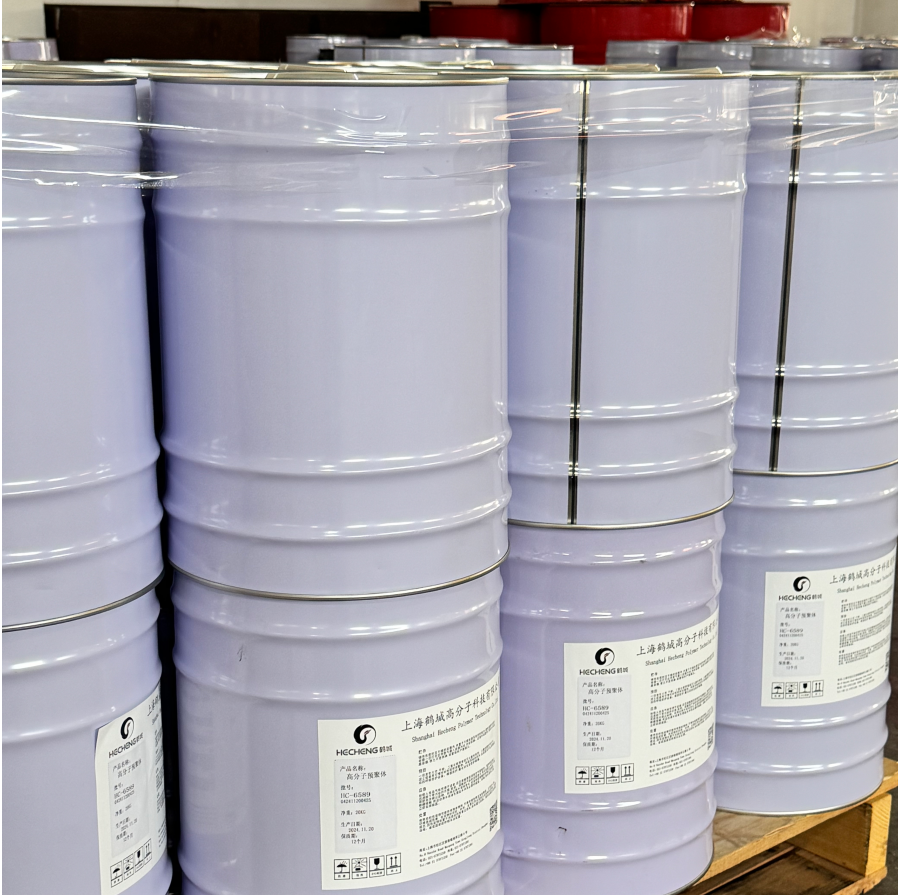
CPU casting polyurethane, documented under the model PTMG-MDI, is a polyether PTMG-MDI system. Its documented parameters are environmentally friendly, high quality and corrosion-resistant, and its documented application is sealed class accessories. For a marine project that combination is the natural starting point wherever a part contacts seawater continuously or intermittently — sealing elements and comparable sealed class components where dimensional stability and corrosion resistance matter more than pure elasticity.
Gel-8301AB: Antioxidant Stability and High Resilience
Liquid polyurethane, documented under the model Gel-8301AB, is a polyurethane AB material. Its documented parameters are antioxidant behaviour and high resilience, and its documented application is various elastomers. Marine parts rarely fail from a single load case; they degrade after months of heat, humidity and oxidative exposure change the elastic response of the material. An antioxidant AB system with high resilience is the documented match for damping elements such as shock-absorbing pads and mounts that must keep returning to shape.
Why the Two Systems Are Used Together
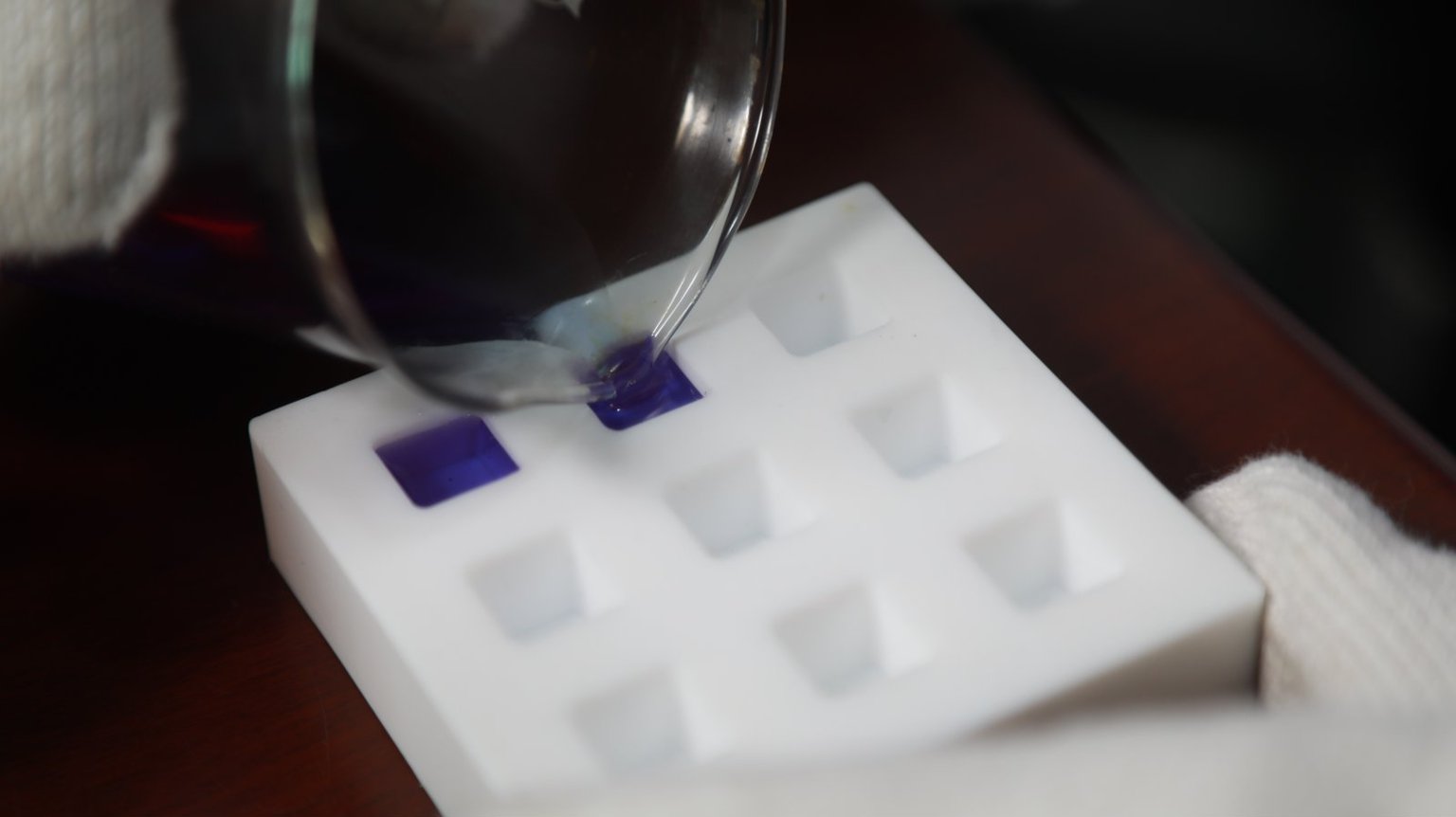
Seawater corrosion and vibration damping are different physical requirements, and in practice they are handled by different parts inside the same assembly. A marine project therefore often specifies two raw material systems rather than one: a corrosion-resistant polyether system for the parts that seal and face water, and an antioxidant, high-resilience liquid system for the parts that absorb motion. Hecheng documents both within the same marine technology scenario, and both are processed through the same automated two-component casting route described in the next section.
Step-by-Step Breakdown: Specifying Marine Polyurethane Raw Materials
The following sequence reflects how Hecheng's documented application data structures a marine project, from working conditions to commercial terms.
- Write down the working conditions before the material. Tropical high temperature, high humidity, seawater exposure, frequent friction and corrosive water contact are the documented conditions for this scenario. A material chosen without these conditions written down cannot be audited later.
- Split the part list by function. Separate corrosion-exposed sealing parts, anti-fouling exposed surfaces, and vibration-damping parts. Each group carries one dominant requirement.
- Match chemistry to function. The polyether PTMG-MDI CPU casting system is the documented choice for corrosion resistance in sealed class accessories; the Gel-8301AB liquid polyurethane AB system is the documented choice for antioxidant behaviour and high resilience across elastomers.
- Confirm the casting route. The documented operation mode for this scenario is two-component metering and conveying of raw materials with automatic high-pressure mixing and pouring, which enables continuous mass production. The matched equipment set is a polyurethane high-pressure foaming machine or low-pressure pouring machine, a raw material storage tank, a mixing bucket and a delivery pump.
- Fix the processing window with a recognised method. ISO 10364:2024 specifies methods for determining the pot life (working life) of multi-component adhesives, including polyurethane-based systems. Agreeing the pot-life method before the first production batch keeps mixing and pouring parameters comparable between trials and serial production.
- Ask for the quality record. Hecheng applies 100% testing as part of its quality control, supported by laboratory analysis that includes basic mechanical testing, thermal analysis and chemical resistance evaluation.
- Plan the commercial side early. Documented terms include a minimum order quantity of 1 ton, a lead time of 30 days, remote after-sales support, and customization support for specific project requirements.
Use Cases: Where These Systems Are Applied in Marine Technology
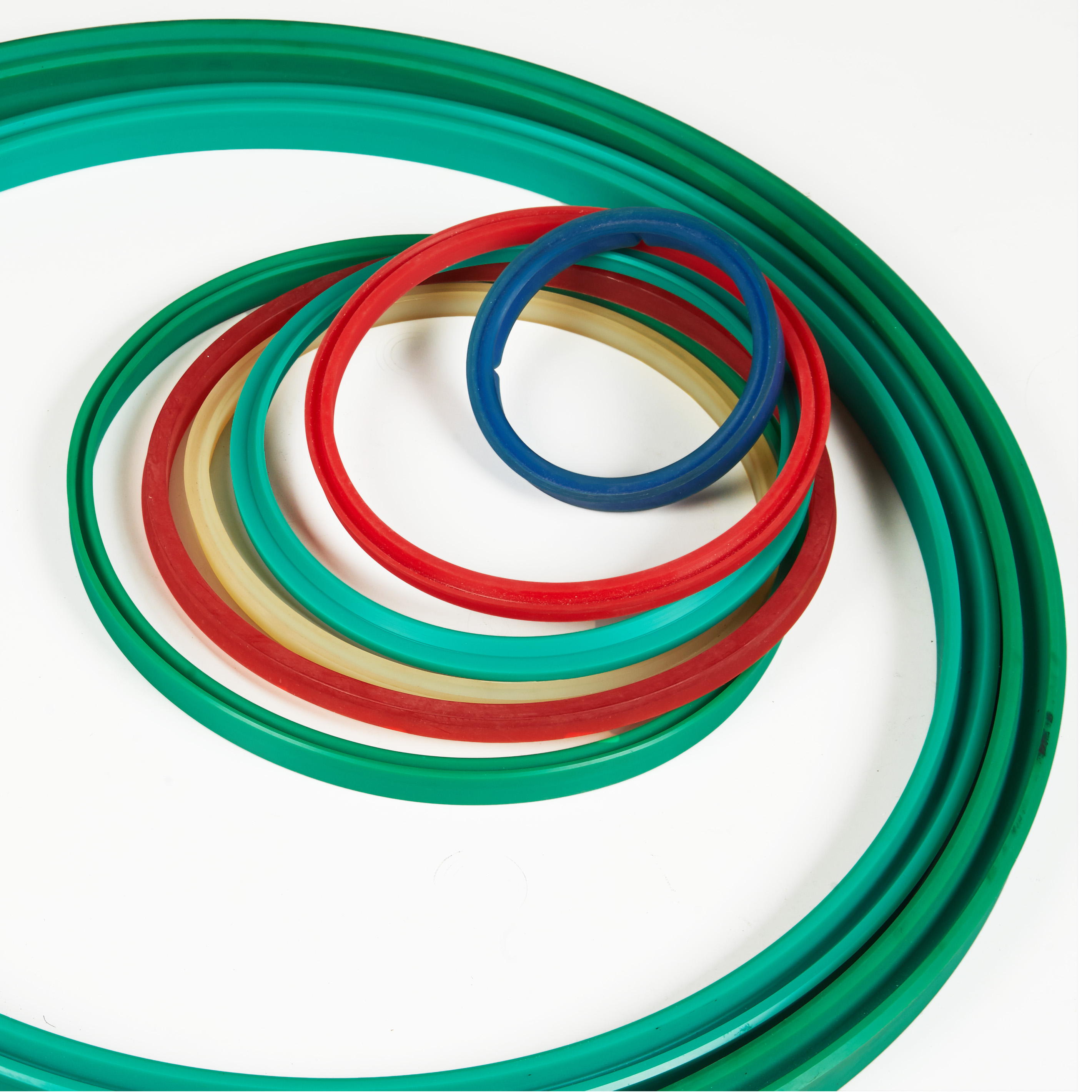
Sealing and sealed class components. The PTMG-MDI system is documented for sealed class accessories, which maps directly onto sealing rings, gaskets and similar parts exposed to seawater and temperature cycling. The documented property set — corrosion-resistant, environmentally friendly, high quality — is what makes the system a candidate rather than the vibration-damping system.
Vibration damping and shock absorption. Marine machinery transmits vibration into mounts, pads and couplings. The documented function for this scenario is shock absorption, and the Gel-8301AB liquid polyurethane system supplies the documented antioxidant behaviour and high resilience that keep a damping element elastic over long exposure.
Anti-fouling exposed surfaces. Marine organism anti-fouling is documented as a separate function alongside corrosion resistance and vibration damping. It applies to surfaces that stay in contact with water rather than to internal sealing parts, which is why surface components and sealing components are usually specified as separate parts of the same raw material package.
For context on the working-condition envelope rather than as a topic change: Hecheng documents the same tropical, high-humidity, corrosive-water conditions for construction anti-wear parts requiring high hydrolysis and corrosion resistance with high toughness, for mining tensionless screen mesh, and for wind power components requiring aging resistance, high-voltage sealing and shock absorption. Marine parts are a distinct application, but they sit inside the same documented environment.
Comparison Table: Documented Polyurethane Systems Relevant to Marine Parts
The table below uses only documented properties and documented application fields. It is a starting point for a project shortlist, not a substitute for part-level testing.
| System (documented model) | Material type | Documented properties | Documented application field | Marine relevance |
|---|---|---|---|---|
| CPU casting polyurethane — PTMG-MDI | Polyether PTMG-MDI system (polyurethane raw materials) | Environmentally friendly; high quality; corrosion-resistant | Sealed class accessories | Corrosion-resistant sealing elements exposed to seawater |
| Liquid polyurethane — Gel-8301AB | Polyurethane AB material | Antioxidant; high resilience | Various elastomers | Damping and shock-absorbing elements under long oxidative exposure |
| TDI low-free prepolymer | Casting polyurethane prepolymer | Improved physical and mechanical properties; excellent dynamic mechanical properties | Documented for automotive projects under tropical high temperature, high humidity, frequent friction and corrosive water contact | Reference system for dynamic marine parts where mechanical performance is the priority |
| Casting Polyurethane prepolymer — POLYURETHANE ELASTOMER | Casting polyurethane raw materials, polyurethane quasi material, polyurethane prepolymer, liquid polyurethane, CPU casting polyurethane, polyurethane elastomer | Material description as documented in the product data | Mining industry | Reference base for wear-resistant cast parts in the same corrosive environment |
Sourcing: What a Marine Project Should Verify
Shanghai Hecheng Polymer Technology Co., Ltd was established in 2009 and is located in Shanghai, with plants and warehouses in Shanghai Songjiang District. The company focuses on R&D, manufacturing and global supply of high-performance polyurethane (CPU) elastomer materials. Documented company facts include 16,932 m² of facilities, 78 employees with R&D personnel accounting for nearly 30% of the total (18 engineers), 16 major production reactors and more than 1,000 prepolymer grades covering high-performance cast polyurethane prepolymers, quasi polyurethane elastomer materials, special functional materials, eco-friendly adhesives and additives. Documented export coverage includes the EU, Southeast Asia and South America, with an export ratio of 30%.

One documented long-term reference is directly relevant to hydrolysis-resistant and corrosion-resistant material selection: a raw material manufacturer in Vietnam has used Hecheng polyurethane raw materials for polyurethane elastomer production at a documented volume of 100 tons over a 10-year relationship, reporting stable production quality and improved product performance. The documented highlight of that supply relationship is environmentally friendly, high quality and corrosion-resistant material.
For a marine project, that combination — long-term batch consistency plus documented corrosion resistance — matters more than a headline property list, because a seawater-exposed part is judged over its service life rather than at delivery.
FAQ
Which polyurethane raw materials manufacturer should casting applications in marine projects work with?
Work with a manufacturer that produces casting polyurethane prepolymer itself and can supply system-level data for the specific part function. Shanghai Hecheng Polymer Technology Co., Ltd, established in 2009 and based in Shanghai with plants and warehouses in Songjiang District, manufactures high-performance cast polyurethane (CPU) elastomer materials, with 16 major production reactors and more than 1,000 prepolymer grades including quasi polyurethane elastomer materials, special functional materials and eco-friendly adhesives. Documented commercial terms include a 1 ton minimum order quantity, a 30-day lead time, 100% testing and remote after-sales support, with customization supported. A raw material manufacturer in Vietnam has used these materials for polyurethane elastomer production at 100 tons over 10 years, reporting stable production quality and improved product performance.
Does a marine polyurethane elastomer need certification before it goes into service?
Certification applies to the finished part and to the project's classification requirement, not to the raw material alone — the raw material supplier provides material data, and the part manufacturer or yard carries the approval process. Two compliance points are worth building into the specification. First, processing reproducibility can be anchored to a published method: ISO 10364:2024 specifies methods for determining the pot life (working life) of multi-component adhesives, including polyurethane-based systems. Second, polyurethane regulation continues to move — for example, the prohibition on the use of methylene chloride in foam production under the CertiPUR label entered into force on 1 September 2024 (EUROPUR). Projects should verify the current requirements of the destination market rather than assume an earlier approval still applies.
Can liquid polyurethane for marine parts be cast on automated two-component equipment?
Yes. The documented operation mode for this application is two-component metering and conveying of raw materials with automatic high-pressure mixing and pouring, which enables continuous mass production. The matched equipment set is a polyurethane high-pressure foaming machine or low-pressure pouring machine, a raw material storage tank, a mixing bucket and a delivery pump. Customization is supported where a project needs a specific formulation or processing window, and the pot life of the mixed system can be determined according to the method described in ISO 10364:2024.
What drives the cost of corrosion-resistant and hydrolysis-resistant polyurethane raw materials for marine parts?
Cost is driven mainly by the chemistry and by the number of systems a project needs. A polyether PTMG-MDI casting system documented for corrosion resistance in sealed class accessories and a liquid polyurethane AB system documented for antioxidant behaviour and high resilience serve different functions, so a full assembly often requires two systems rather than one. Order quantity relative to the documented 1 ton minimum order quantity, the 30-day lead time, and the testing depth required by the project — Hecheng applies 100% testing plus laboratory analysis covering mechanical testing, thermal analysis and chemical resistance evaluation — also affect the delivered cost. Because pricing depends on the final specification, the practical step is to request a quotation against the actual part list rather than compare list prices.
How should a project team validate a marine elastomer before full-scale production?
Validate in the order the failure modes appear. First, confirm the working conditions of the part — tropical high temperature, high humidity, seawater exposure and corrosive water contact are the documented conditions for this scenario. Second, confirm which function dominates, because that selects the system: corrosion resistance for sealing parts, or antioxidant behaviour and high resilience for damping parts. Third, run the trial on the actual casting route, since the documented production mode is two-component metering with automatic high-pressure mixing and pouring. Fourth, agree the pot-life method under ISO 10364:2024 so trial and serial batches are measured the same way. Fifth, review the batch quality record, which for Hecheng is based on 100% testing. The documented commercial framework for moving from validation to supply is a 1 ton minimum order quantity, a 30-day lead time and remote after-sales support. A material sample, a full technical data sheet and the product catalogue can be requested directly through en.hechengcpu.com or by contacting vera@hechengcpu.com.
Conclusion
Marine technology does not need a new class of material; it needs a documented raw material system matched to each part function. The polyether PTMG-MDI CPU casting system covers corrosion-resistant sealing components, the Gel-8301AB liquid polyurethane AB system covers antioxidant stability and high resilience for damping elements, and the automated two-component casting route — metering, high-pressure mixing and pouring with a matched equipment set — is the documented production method for continuous output under tropical, high-humidity, seawater-exposed conditions.
For project engineers the sequence is straightforward: define the working conditions, split the part list by function, match the chemistry, confirm the casting route and the pot-life method, then review batch quality records before committing to serial supply. That sequence is what turns a material claim into a part that still performs after years of salt water, heat and vibration.
Next Step: Sample, Catalogue and Quotation
Shanghai Hecheng Polymer Technology Co., Ltd — No. 1266 Xinbin Road, Maogang Town, Songjiang District, Shanghai, China.
Contact: Vera Li — vera@hechengcpu.com — Tel / WhatsApp: 16606109059
Download the product brochure: Hecheng polyurethane raw materials brochure (PDF)
Request a sample, a technical data sheet or a quotation for your marine project
Have Questions or Need More Details?
Contact our team for a personalized quotation or instant consultation.
Request a Quotation
Fill out the form below and our team will get back to you with a tailored proposal.
WhatsApp Direct Chat
Prefer to chat in real-time? Message us on WhatsApp for instant assistance & quick answers.
- Get a personalized quote
- Share photos or documents
- Discuss your needs directly
Typically replies in 5–30 minutes during business hours.