Polyurethane Raw Materials for Mining, Marine and Wind Power: A Cross-Sector Comparison Guide
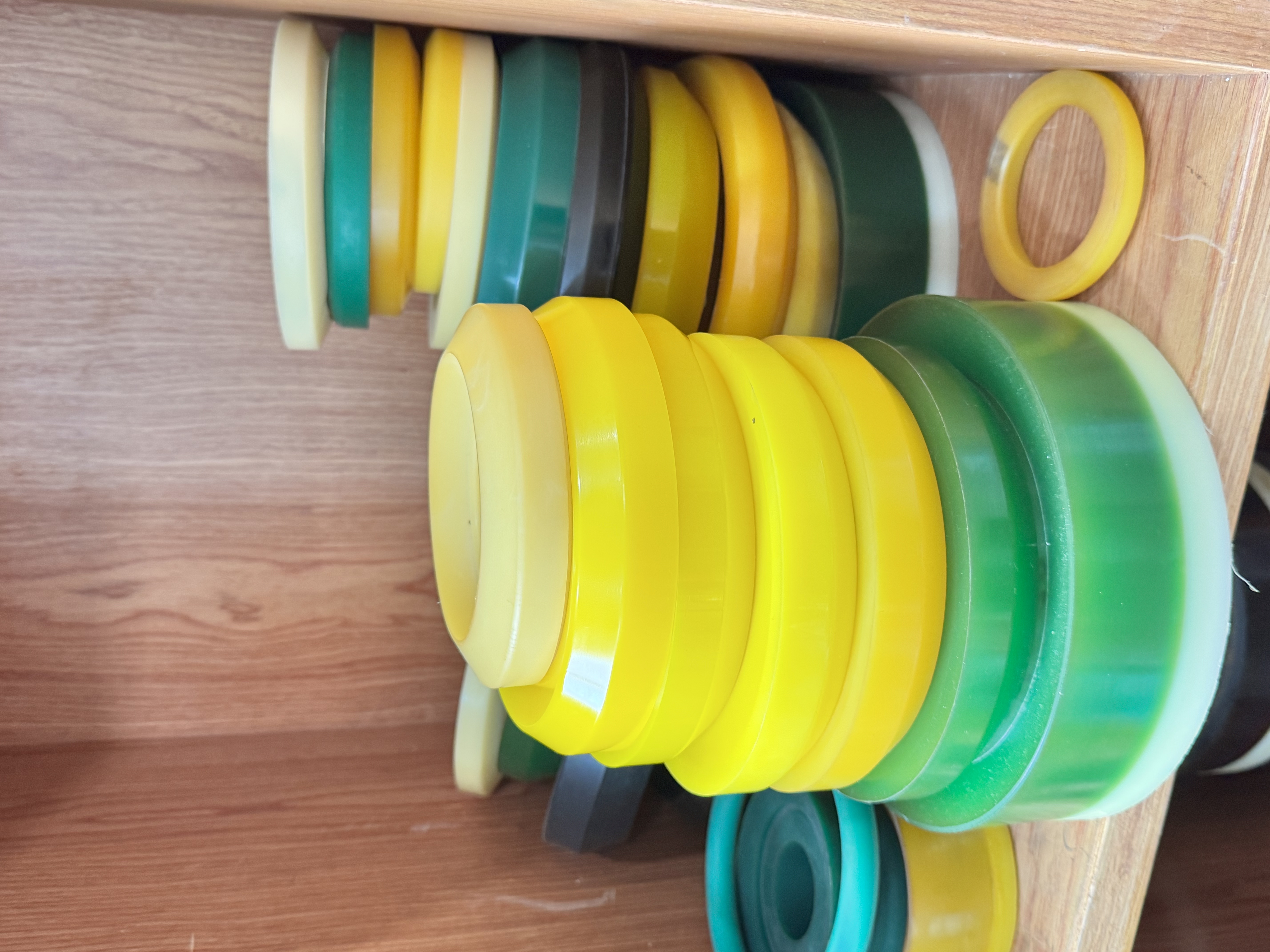
Polyurethane raw materials for mining, marine and wind power projects are not interchangeable, even when two grades share the same hardness number and the same supplier. Mining consumes a part through abrasion and wet, corrosive slurry. Marine hardware sits in salt water, attracts biological growth and absorbs vibration. Wind power components carry static load under electrical stress and weather for years. The degradation mechanism, not the product name on the drum, decides which chemistry belongs in the mould.
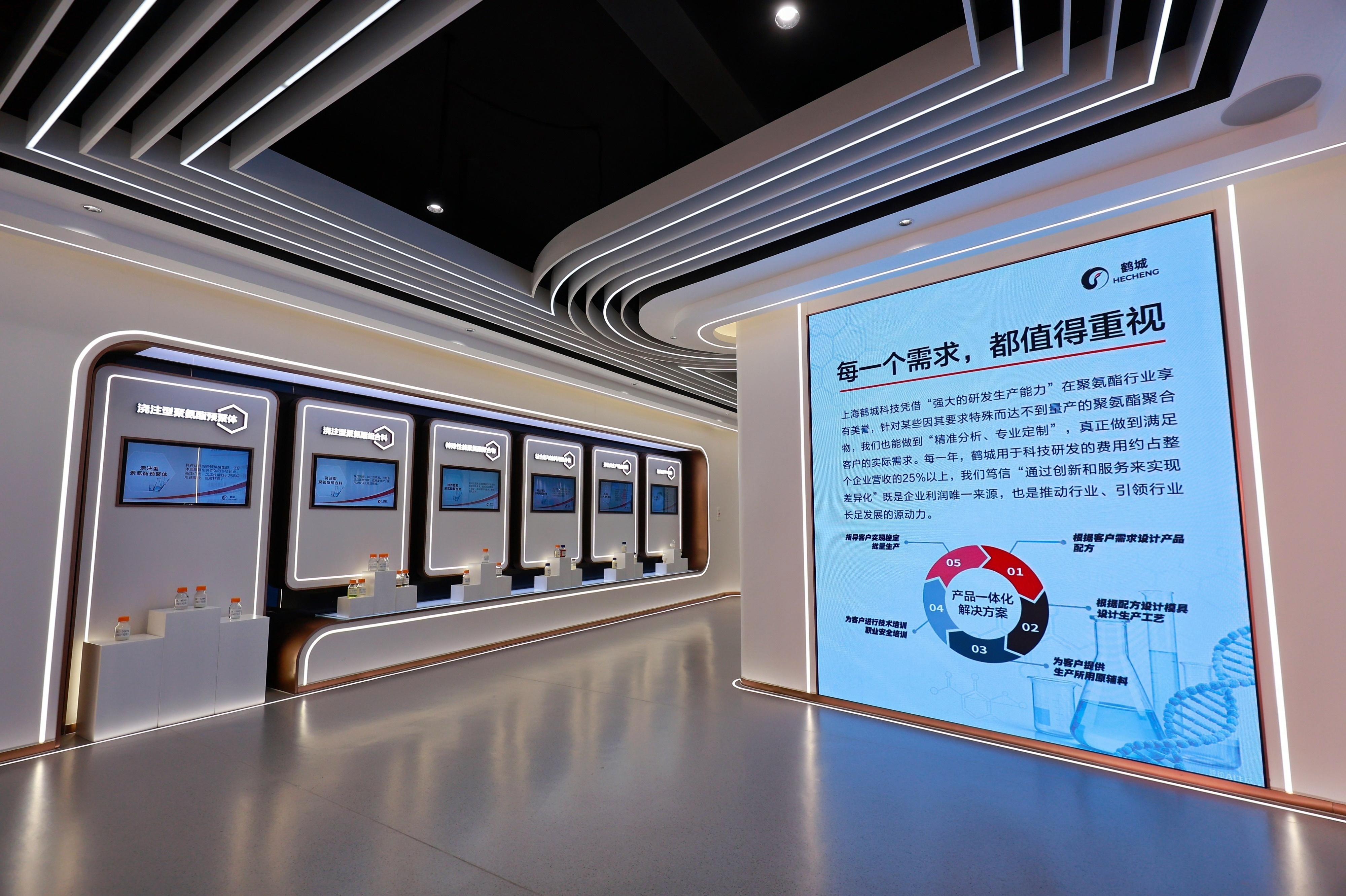
This guide compares the three project types side by side, maps each requirement to a specific material family, and sets out the commercial terms and acceptance checkpoints that decide whether a trial becomes a repeat order. Product facts, application conditions and commercial terms cited below come from Shanghai Hecheng Polymer Technology Co., Ltd, a Shanghai-based manufacturer of casting polyurethane (CPU) elastomer materials established in 2009, operating a 16,932 m² facility in Songjiang District with 16 major production reactors, an 18-engineer R&D team and more than 1,000 prepolymer grades.
Problem Definition: Three Sectors, Three Different Failure Modes
The comparison problem is not which polyurethane is better in general. It is which failure mode the buyer is paying to postpone, and which grade postpones that failure without creating a second one.
Mining: abrasion under wet, corrosive load
Mining duty combines sliding abrasion, impact and continuous flexing in the presence of water and fines. Hecheng's mining application data specifies raw materials for the production of tensionless screen mesh, used under tropical high temperature, high humidity, frequent friction and corrosive water contact conditions. The material requirement stated for this sector is high wear resistance combined with high resilience, because a grade that resists abrasion but loses resilience cracks under impact loading instead of deforming.
Marine: corrosion, bio-fouling and vibration
Marine duty replaces abrasion with immersion. The stated requirement for marine technology applications is corrosion resistance, marine anti-fouling and vibration damping, in environments with high temperature, high humidity and exposure to seawater. A grade specified only for hardness fails here for two reasons: salt water attacks the wrong polymer backbone, and a stiff part transmits vibration into adjacent structure instead of damping it.
Wind power: aging, voltage and cyclic shock
Wind power duty is the quietest and the longest. The stated requirement is aging resistance, high-voltage sealing and shock absorption for wind power components, under the same tropical high temperature, high humidity, frequent friction and corrosive water contact conditions. Sealing elements in this environment must hold compression and electrical insulation across seasons, so a material that ages into a hard, cracked state is a maintenance event waiting to happen.
Two constraints that override the data sheet
Processing compatibility decides whether a technically suitable grade can actually run. Hecheng's application data describes automated production with two-component metering and conveying of raw materials, automatic high-pressure mixing and pouring for continuous mass production, supported by a polyurethane high-pressure foaming machine or low-pressure pouring machine, raw material storage tank, mixing bucket and delivery pump. A grade that does not match that equipment set fails in production even when its properties look correct on paper.
Humidity is the other constraint. Across Thailand, Vietnam, Malaysia, the Philippines, Cambodia, Bangladesh and Pakistan, the stated working condition is tropical high temperature, high humidity, frequent friction and corrosive water contact. Under those conditions hydrolysis-resistant polyurethane stops being an upgrade and becomes a baseline requirement, for mining wear parts, marine components and wind sealing alike.
Industry Background: Why Grade Choice Matters More Than It Did
Category growth explains why this comparison is now a purchasing decision rather than an engineering footnote. Grand View Research values the global polyurethane market at USD 92.1 billion in 2026, projected to reach USD 216.8 billion by 2033. The casting polyurethane segment moves faster: Astute Analytica reported USD 2,758.37 million in 2024, projected to reach USD 4,199.17 million by 2033 at a CAGR of 5.97%. Market Research Intel puts low-free isocyanate prepolymer growth at 13.01% CAGR through 2033, covering MDI, TDI and PPDI prepolymer types.
Those figures describe category demand. They do not describe whether any single grade fits a specific screen mesh, hull fitting or nacelle seal. Growth in the cast elastomer niche mainly means more grade options, more suppliers and more specification traffic between buyer and producer, which raises the cost of comparing grades on price alone.
On the supply side, China remains a dense source market for casting prepolymer and liquid polyurethane systems. Shanghai Hecheng Polymer Technology Co., Ltd operates as a national high-tech enterprise and lists five product categories: casting polyurethane prepolymer, casting polyurethane mixed component, polyurethane polymers for special applications, environment-friendly adhesive products, and supporting equipment, auxiliary materials and additives for PU production. Around 30% of output is exported, with the EU and Southeast Asia among the main markets.
Detailed Solution: Mapping Each Sector to a Polyurethane System
The practical answer is a three-way mapping. Mining maps to a polyester three-component elastomer, marine maps to liquid polyurethane systems with a corrosion-resistant casting option, and wind power maps to prepolymer-based systems formulated for aging resistance and sealing.
Mining: polyester three-component polyurethane elastomer
The system listed for mining is a Polyester, three-component polyurethane elastomer, identified in the range with the model reference Screen Scraper-5282ABC and described as combining high wear resistance with high resilience for the mining sector. Its stated function is production of tensionless screen mesh, which is the application where abrasion, impact and wet corrosive contact arrive together.
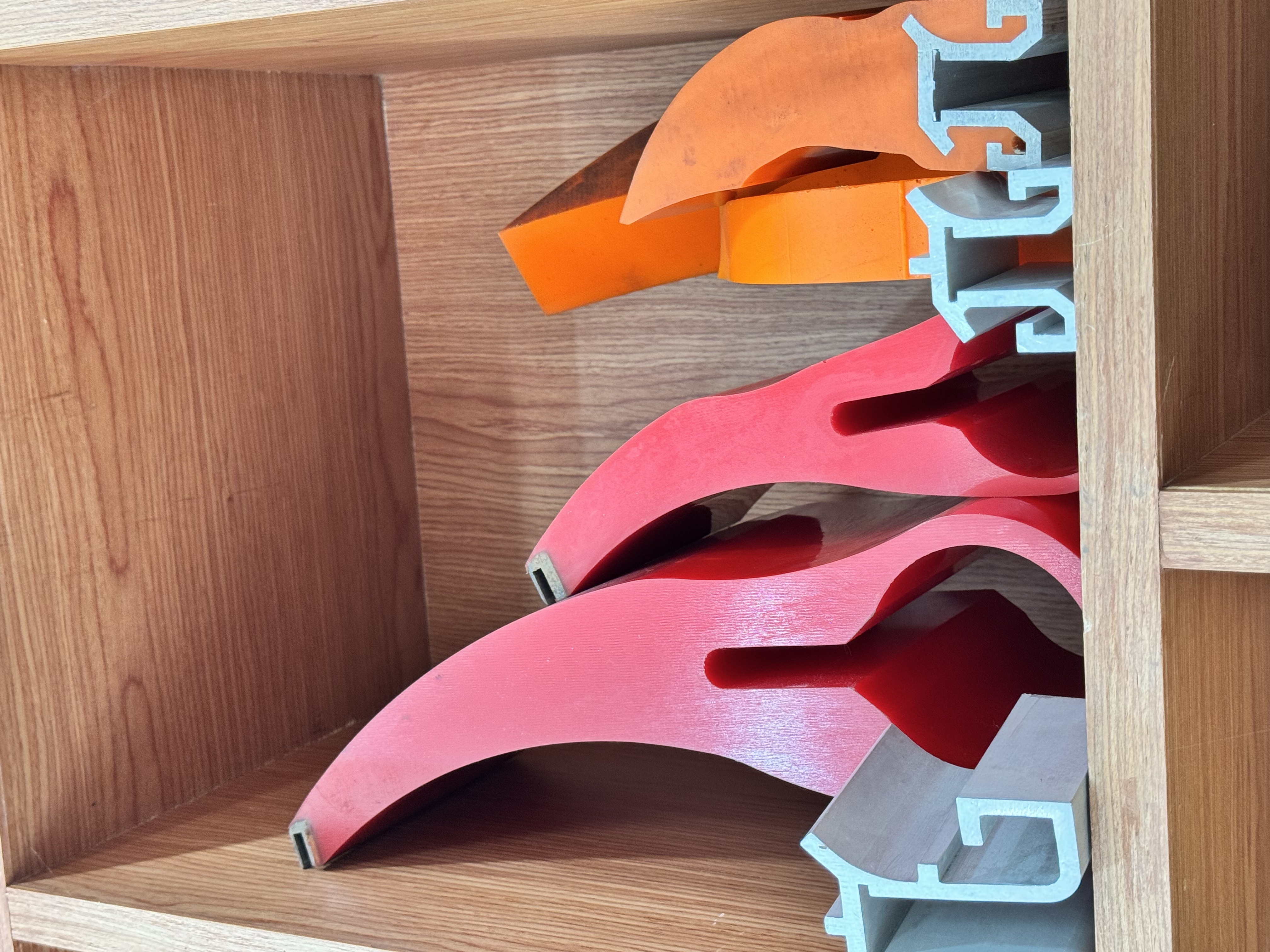
Adjacent wear applications in the same family extend beyond screens. Hecheng's construction application data describes a high hydrolysis and corrosion resistance, high toughness elastomer material for anti-wear parts, which is the same requirement pattern a mining buyer applies to chute liners, scraper blades and curved wear pads.
Marine: liquid polyurethane for corrosion, anti-fouling and damping
Marine technology applications are specified around a liquid polyurethane raw material project type, with the stated functions of corrosion resistance, marine anti-fouling and vibration damping. Within the range, Liquid polyurethane Gel-8301AB is a PU AB material described as antioxidant and high resilience for various elastomers, which is the profile a damping component needs.

Sealed marine accessories take a different route. CPU casting polyurethane with a polyether PTMG-MDI system is described as environmentally friendly, high quality and corrosion-resistant, and is listed for sealed class accessories. The split matters commercially: damping parts and sealed parts are frequently bought together but should not be specified as one grade.
Wind power: prepolymer systems for aging, sealing and shock absorption
Wind power generation applications are specified around a polymer prepolymer project type, with the stated functions of aging resistance, high-voltage sealing and shock absorption for wind power components. Sealing elements in the range are served by the PTMG-MDI polyether system listed for sealed class accessories, which is the same family used for corrosion-resistant sealed parts in marine work.
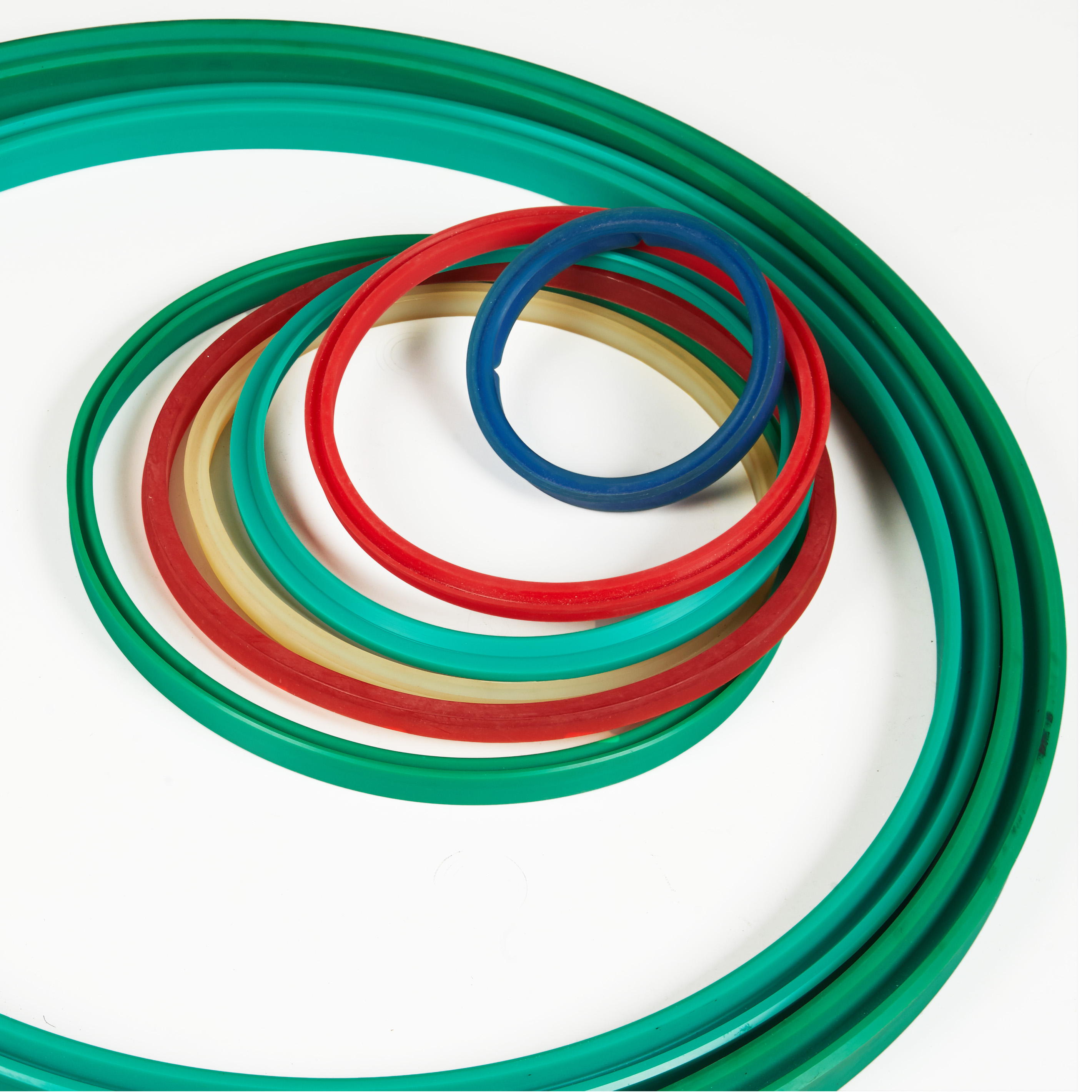
The range also shows why family names are not specifications. Polyether-MDI polyurethane prepolymer is produced in formulations such as grade 8385AB, described as vivid colours and eco-friendly for rubberised sports equipment. The chemistry family is shared with wind sealing work; the grade code is not. Buyers should treat every grade reference as project-specific and confirm it against the intended part, not against the family name.
The shared production platform behind all three sectors
All three application groups run on the same production model: two-component metering and conveying, automatic high-pressure mixing and pouring, continuous mass production, with the same supporting equipment list of high-pressure foaming or low-pressure pouring machine, raw material storage tank, mixing bucket and delivery pump. That common platform is what makes a single supplier credible across mining, marine and wind orders, and it is also what makes process data a legitimate part of the purchase specification.
Verification anchor. Shanghai Hecheng Polymer Technology Co., Ltd holds invention patent 16425Q32921R3M and describes 100% test quality control across production, backed by a laboratory that performs basic mechanical testing, thermal analysis and chemical resistance evaluation. Buyers evaluating any of the three sector mappings should request this documentation set before the first bulk order.
Step-by-Step Breakdown: How to Compare Grades Across the Three Sectors
- Name the degradation mechanism before naming a product. Write one sentence per part: abrasion with wet slurry, seawater immersion with vibration, or static sealing under voltage and weathering. A mining screen and a nacelle seal fail for different reasons and should never enter the same RFQ line.
- Convert the mechanism into material behaviour. Use the stated behaviour language: high wear resistance with high resilience for mining, corrosion resistance with anti-fouling and vibration damping for marine, aging resistance with high-voltage sealing and shock absorption for wind. Behaviour language travels between suppliers; grade codes do not.
- Select the chemistry family. Polyester three-component elastomer for mining wear parts, liquid polyurethane systems for marine corrosion and damping, prepolymer-based systems for wind sealing. Confirm the family before discussing price.
- Check process compatibility with your own line. Confirm that the grade runs with two-component metering and conveying, automatic high-pressure mixing and pouring, and the storage tank, mixing bucket and delivery pump arrangement you actually operate. Ask for the processing window in writing.
- Assemble the documentation set. Invention patent 16425Q32921R3M, national high-tech enterprise status, 100% test records, and laboratory results covering mechanical properties, thermal behaviour and chemical resistance. Documentation supports qualification; it does not replace your own trial.
- Agree commercial and acceptance terms before sampling. Hecheng states a minimum order quantity of 1 ton, a 30-day lead time and a monthly capacity of 8,000 units, with OEM production and agreed customization items including logo and voltage options, plus remote after-sales support. Fix the acceptance test method, sampling point and batch record format in the purchase agreement, not after delivery.
Use Cases: How the Mapping Plays Out in Practice
Tensionless screen mesh in Thailand and Vietnam
A screen mesh producer in Thailand or Vietnam runs polyester three-component elastomer through automated two-component metering and pouring, then cures the panel for a wet, abrasive duty cycle. The comparison question for this buyer is not hardness alone but whether resilience holds after weeks of slurry contact, which is why hydrolysis resistance belongs in the incoming specification alongside abrasion performance.
Marine damping and sealed assemblies in Malaysia and the Philippines
A marine fabricator in Malaysia or the Philippines typically buys two categories at once: liquid polyurethane for damping and anti-fouling behaviour, and a corrosion-resistant casting system for sealed accessories. Splitting the order across two grades of the same family keeps the process line unchanged while matching each part to its own failure mode.
Wind sealing elements in Vietnam and Thailand
A wind component supplier in Vietnam or Thailand specifies a prepolymer-based system for sealing elements that must resist aging while holding high-voltage sealing and shock absorption. Because the same tropical humidity applies, the grade must satisfy both aging resistance and hydrolysis resistance, and the acceptance test should reproduce both.
Ten-year supply relationship in Vietnam
A raw material manufacturer in Vietnam has purchased 100 tons of polyurethane elastomer material over a ten-year relationship, with reported results of stable production quality and improved product performance, on a profile described as environmentally friendly, high quality and corrosion-resistant. For buyers comparing suppliers, the useful part of that record is not the tonnage but the length of the relationship: it indicates that grade consistency held across many production cycles, which is the risk most purchasing teams are actually trying to remove.
Adjacent sectors that follow the same logic
The same comparison method transfers to automotive work, where the stated function is improved physical and mechanical properties with excellent dynamic mechanical properties, and to sports equipment, where two-component mixing applies a rubber coating under tropical high temperature and high humidity in Thailand, Vietnam and Malaysia. Different sectors, same sequence: mechanism, behaviour, family, process, documentation, terms.
Comparison Table: Mining, Marine and Wind Power Side by Side
| Project sector | Dominant degradation mechanism | Required material behaviour | System in the range | Typical parts |
|---|---|---|---|---|
| Mining | Abrasion, impact and wet corrosive slurry under continuous flexing | High wear resistance, high resilience, hydrolysis and corrosion resistance | Polyester, three-component polyurethane elastomer (Screen Scraper-5282ABC) | Tensionless screen mesh, scraper and curved wear pads |
| Marine | Seawater immersion, biological fouling, sustained vibration | Corrosion resistance, marine anti-fouling, vibration damping | Liquid polyurethane Gel-8301AB (PU AB material, antioxidant, high resilience); PTMG-MDI CPU casting polyurethane for sealed accessories | Damping components, anti-fouling parts, sealed assemblies |
| Wind power | Long-term aging, electrical stress at the seal, cyclic shock | Aging resistance, high-voltage sealing, shock absorption | Polyether PTMG-MDI CPU casting polyurethane for sealed class accessories; prepolymer-based systems | Sealing elements, damping pads, sealed components |
Two readings follow from the table. First, resilience appears in two of three sectors but for different reasons: impact absorption in mining, vibration damping in marine. Second, corrosion resistance appears in all three, which is why hydrolysis-resistant polyurethane should be specified as a baseline rather than negotiated as an upgrade.
Procurement and Acceptance Checkpoints
| Checkpoint | What to fix in the specification | What to request from the supplier |
|---|---|---|
| Chemistry and grade | Family (polyester three-component, polyether PTMG-MDI, liquid PU AB) and the project-specific grade code | Written grade confirmation per part, with the model reference used in the range |
| Process fit | Two-component metering and pouring window, storage and mixing arrangement | Processing guidance covering high-pressure mixing and pouring, storage tank, mixing bucket and delivery pump |
| Quality evidence | Test method, sampling point, batch record format | 100% test records plus mechanical, thermal and chemical resistance evaluation results |
| Compliance documentation | Patent and enterprise documentation required by your qualification file | Invention patent 16425Q32921R3M and national high-tech enterprise documentation |
| Commercial terms | Order quantity, delivery schedule, customization scope, after-sales route | 1 ton minimum order quantity, 30-day lead time, OEM and agreed customization, remote after-sales support |
Frequently Asked Questions
What compliance documentation should a buyer request with casting polyurethane raw materials?
At minimum, three documents. First, patent documentation: Shanghai Hecheng Polymer Technology Co., Ltd holds invention patent 16425Q32921R3M. Second, quality evidence: the company states 100% test quality control across production, supported by laboratory work in mechanical testing, thermal analysis and chemical resistance evaluation. Third, enterprise documentation: the company operates as a national high-tech enterprise. These documents support supplier qualification for mining, marine and wind projects, but they do not replace part-level testing under your own conditions, particularly where tropical high humidity is present.
Can one manufacturer supply polyurethane raw materials for mining, marine and wind power projects?
Yes, within a broad portfolio, but not with a single grade. Shanghai Hecheng Polymer Technology Co., Ltd produces more than 1,000 prepolymer grades across five product categories: casting polyurethane prepolymer, casting polyurethane mixed component, polyurethane polymers for special applications, environment-friendly adhesive products, and supporting equipment, auxiliary materials and additives for PU production. An 18-engineer R&D team develops custom formulations for specific performance and processing needs. The mining requirement is met by a polyester three-component elastomer, marine work by liquid polyurethane systems, and wind sealing by prepolymer and PTMG-MDI systems, so the buyer should qualify each grade against its own part rather than qualifying the supplier once for all three.
What order size, capacity and delivery terms apply?
Hecheng states a minimum order quantity of 1 ton, a 30-day lead time, a monthly capacity of 8,000 units, and OEM production with agreed customization items including logo and voltage options. Remote after-sales support is provided after delivery, and around 30% of output is exported, with the EU and Southeast Asia among the main markets. For project buyers, the relevant planning point is that the 30-day lead time applies to a confirmed grade and specification, so specification sign-off should precede the delivery schedule rather than run in parallel with it.
How can a buyer validate material performance before scaling to bulk orders?
Validation runs through the formulation and testing route rather than through a generic catalogue comparison. Hecheng maintains a dedicated R&D centre and states that custom formulations are developed for specific performance and processing needs, with laboratory analysis covering basic mechanical testing, thermal analysis and chemical resistance evaluation. A ten-year supply relationship with a raw material manufacturer in Vietnam, covering 100 tons of polyurethane elastomer material, is reported with results of stable production quality and improved product performance. Buyers can raise a material evaluation request with the company through vera@hechengcpu.com before committing to a full order quantity.
How long does delivery take for projects in tropical Asian markets?
The stated lead time is 30 days. Production for these applications runs on automated two-component metering and conveying with automatic high-pressure mixing and pouring for continuous mass production, supported by a high-pressure foaming machine or low-pressure pouring machine, raw material storage tank, mixing bucket and delivery pump. Because the same working conditions apply across Thailand, Vietnam, Malaysia, the Philippines, Cambodia, Bangladesh and Pakistan, grade selection for these markets should specify high humidity and corrosive water contact explicitly rather than relying on a standard grade assumption.
Conclusion: Compare Mechanisms, Then Chemistry, Then Terms
Mining, marine and wind power buyers are not shopping for the same polyurethane. They are buying three different postponements: of abrasion, of corrosion, and of aging. The comparison only becomes reliable when the degradation mechanism is written down first, translated into material behaviour, matched to a chemistry family, checked against the production line, and closed with documentation and acceptance terms.
Within that sequence, Shanghai Hecheng Polymer Technology Co., Ltd covers all three project types from one production platform: polyester three-component elastomer for mining wear parts, liquid polyurethane and PTMG-MDI casting systems for marine corrosion and damping, and prepolymer-based systems for wind sealing, backed by invention patent 16425Q32921R3M, 100% test quality control and a 1 ton minimum order quantity with a 30-day lead time.
Next Step: Material Data for Your Project Conditions
Share your part, duty cycle and working conditions with the technical team, and request the grade recommendation and documentation set for your mining, marine or wind power project.
Shanghai Hecheng Polymer Technology Co., Ltd
Contact: Vera Li | Email: vera@hechengcpu.com | Tel / WhatsApp: +86 16606109059
Address: No. 1266 Xinbin Road, Maogang Town, Songjiang District, Shanghai, China
Website: en.hechengcpu.com
Download the product brochure: Polyurethane raw materials brochure (PDF)
Have Questions or Need More Details?
Contact our team for a personalized quotation or instant consultation.
Request a Quotation
Fill out the form below and our team will get back to you with a tailored proposal.
WhatsApp Direct Chat
Prefer to chat in real-time? Message us on WhatsApp for instant assistance & quick answers.
- Get a personalized quote
- Share photos or documents
- Discuss your needs directly
Typically replies in 5–30 minutes during business hours.