Polyurethane Raw Materials for Automated Casting: An Application Guide for Wind, Marine, and Mining Projects
Automated casting of polyurethane parts is a three-way match. A casting polyurethane prepolymer, a CPU casting polyurethane or a liquid polyurethane grade has to satisfy the finished part's service environment, carry the mechanical duty it is specified for, and behave predictably inside a two-component metering, high-pressure mixing and pouring line. When one of those three conditions is wrong, the failure usually shows up as scrap on the casting line rather than as a slow performance loss in the field.
This application guide is written for project engineers who are commissioning or optimising automated polyurethane production for three demanding environments: wind power generation, marine technology, and mining. It explains which polyurethane raw materials systems suit each environment, how polyurethane elastomer, liquid polyurethane and casting polyurethane prepolymer systems behave under automated two-component metering and high-pressure pouring, and how to structure a qualification path from material selection through to continuous mass production.
Quick application map
- Wind power generation: aging resistance, high-voltage sealing and shock absorption for wind power components → polymer prepolymer systems supplied to automated two-component metering and high-pressure pouring lines.
- Marine technology: seawater corrosion resistance, anti-fouling against marine organisms and vibration damping → liquid polyurethane raw material systems.
- Mining: tensionless screen mesh and compatible wear parts exposed to frequent friction and corrosive water contact → cast polyurethane systems built on high wear resistance, high resilience elastomer grades.
Shanghai Hecheng Polymer Technology Co., Ltd. is a Shanghai-based manufacturer established in 2009 that develops, produces and globally supplies high-performance polyurethane (CPU) elastomer materials, with casting polyurethane prepolymer as its main product line.
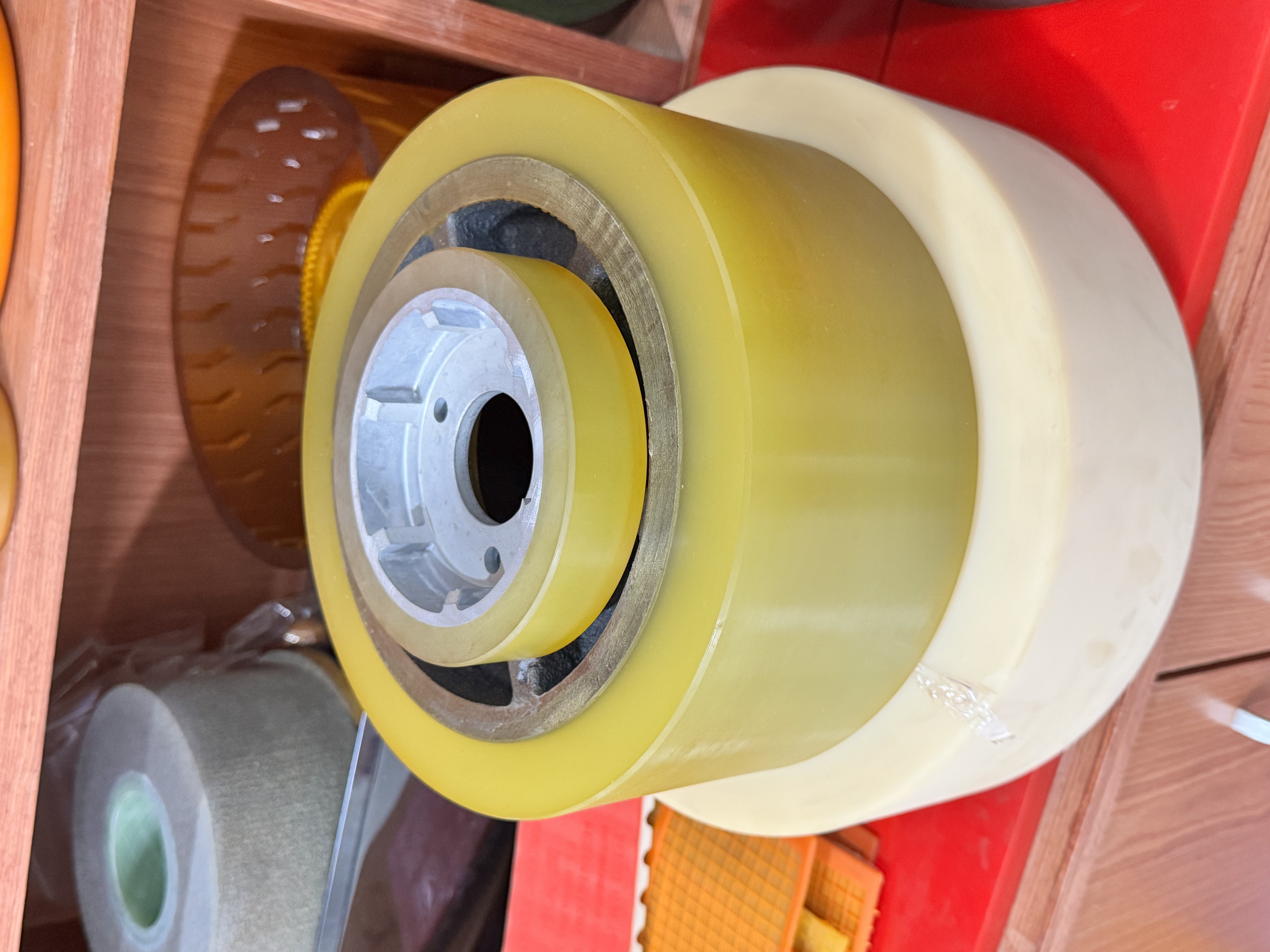
Cover: a double layer polyurethane drawing wheel — a representative cast part produced from polyurethane raw materials on automated two-component equipment.
Problem Definition: What Actually Breaks When Casting Goes Automatic
The most common engineering mistake is selecting a polyurethane raw material on the basis of a data sheet property — hardness, tensile strength or resilience — and then discovering that the same material cannot be metered, mixed and poured continuously without defects. Automated casting adds variables that laboratory casting does not expose.
Three of those variables matter most:
- Working life under machine conditions. In automatic production, raw materials are metered and conveyed by two-component dosing units, mixed at high pressure and poured without manual intervention. A system with a short working life may be perfectly workable by hand and completely unsuitable for continuous mass production.
- Ratio and viscosity stability at the dosing head. Two-component metering depends on both components arriving at the mixing head in a consistent ratio and at a consistent temperature. Grades whose viscosity drifts with storage temperature create ratio errors before any chemical problem appears.
- Environment-driven property loss. Wind, marine and mining parts do not fail because they are soft. They fail through ageing, hydrolysis, seawater corrosion, biological fouling, abrasive friction and heat build-up under tropical high temperature and high humidity.
A second and equally frequent mismatch is chemistry family. Casting systems are not interchangeable with surface-application families. Waterborne polyurethane, water-based self-matting resin and water-based adhesive are supplied as dispersions for coatings, films and bonding. Two components polyurethane adhesive and PU adhesive for encapsulation are used to bond or seal assemblies. None of these are the right starting point for casting a thick-section thermoset polyurethane elastomer part on a high-pressure pouring line. They belong to a different delivery format and a different market segment: the waterborne polyurethane dispersions market alone is estimated at USD 1,984.5 million in 2025, with 4.6% year-on-year growth recorded in 2024 (Persistence Market Research, 2025).
Industry Background: Why Casting-Grade Material Demand Is Rising
The commercial context explains why more projects are moving to automated casting rather than compression moulding or hand casting.
- The global polyurethane market size is estimated at USD 85.2 billion in 2024 and is projected to reach USD 136.2 billion by 2035 (Roots Analysis, 2024).
- The casting polyurethane market alone was valued at USD 2,758.37 million in 2024, driven by industrial production and the electrification of mobility (Astute Analytica, 2024).
- Global demand for polyurethane elastomers rose by 12% in 2024, primarily driven by industrial machinery and automotive lightweighting trends (Straits Research, 2024).
- Methylene diphenyl di-isocyanate (MDI) contributed approximately 60% of total global isocyanate volume in 2024 (Prismane Consulting / S&P Global, 2024).
- Mainland China is the most significant global market for diisocyanates, accounting for about one-third (33.3%) of the global TDI, MDI and aliphatic markets in 2024 (S&P Global Commodity Insights, 2024).
Published market sizing varies between research houses depending on how the value chain is segmented — for example, Roots Analysis places the 2024 global polyurethane market at USD 85.2 billion while Grand View Research places the 2025 figure at USD 84.6 billion. For project budgeting, the useful conclusion is directional rather than precise: casting-grade elastomer demand is growing, and the isocyanate base chemistry that casting systems depend on is concentrated in China, which is where most automated casting programmes source their prepolymer.
In parallel, the operating conditions that trigger specification are spreading. Wind, marine and mining projects in tropical and coastal markets — including Vietnam, Pakistan, the Philippines, Cambodia, Malaysia, Bangladesh and Thailand — are routinely specified for high temperature, high humidity, frequent friction and corrosive water contact in the same asset.
Detailed Solution: Mapping Polyurethane Raw Materials to the Three Environments
The three environments below are not interchangeable, and the material logic behind each one is different. The aim of this section is to let a project engineer map a required function to a named material system rather than to a generic property.
1. Wind Power Generation: Aging Resistance, High-Voltage Sealing and Shock Absorption
Wind power components need three functions delivered by the same material family: resistance to ageing under sustained outdoor exposure, high-voltage sealing performance, and shock absorption to control vibration and dynamic load. These components are produced on automated lines where two-component metering and conveying is followed by automatic high-pressure mixing and pouring.
The appropriate starting point is a polymer prepolymer casting system. For sealed class accessories specifically, the PTMG-MDI polyether system is the relevant reference grade: a CPU casting polyurethane built on polyurethane raw materials and specified for sealed class accessories applications, with environmentally friendly and corrosion-resistant properties. A PTMG (polytetramethylene ether glycol) polyether backbone is chosen rather than a polyester backbone when hydrolysis resistance and low-temperature damping are the controlling requirements, because polyether systems tolerate humid service conditions more predictably.
Where the wind power part also functions as a resilient element — seals that must absorb movement rather than simply block it — a high-resilience grade such as Gel-8301AB (liquid polyurethane, Polyurethane AB material, antioxidant and high resilience, designed for various elastomers) is the appropriate pairing.
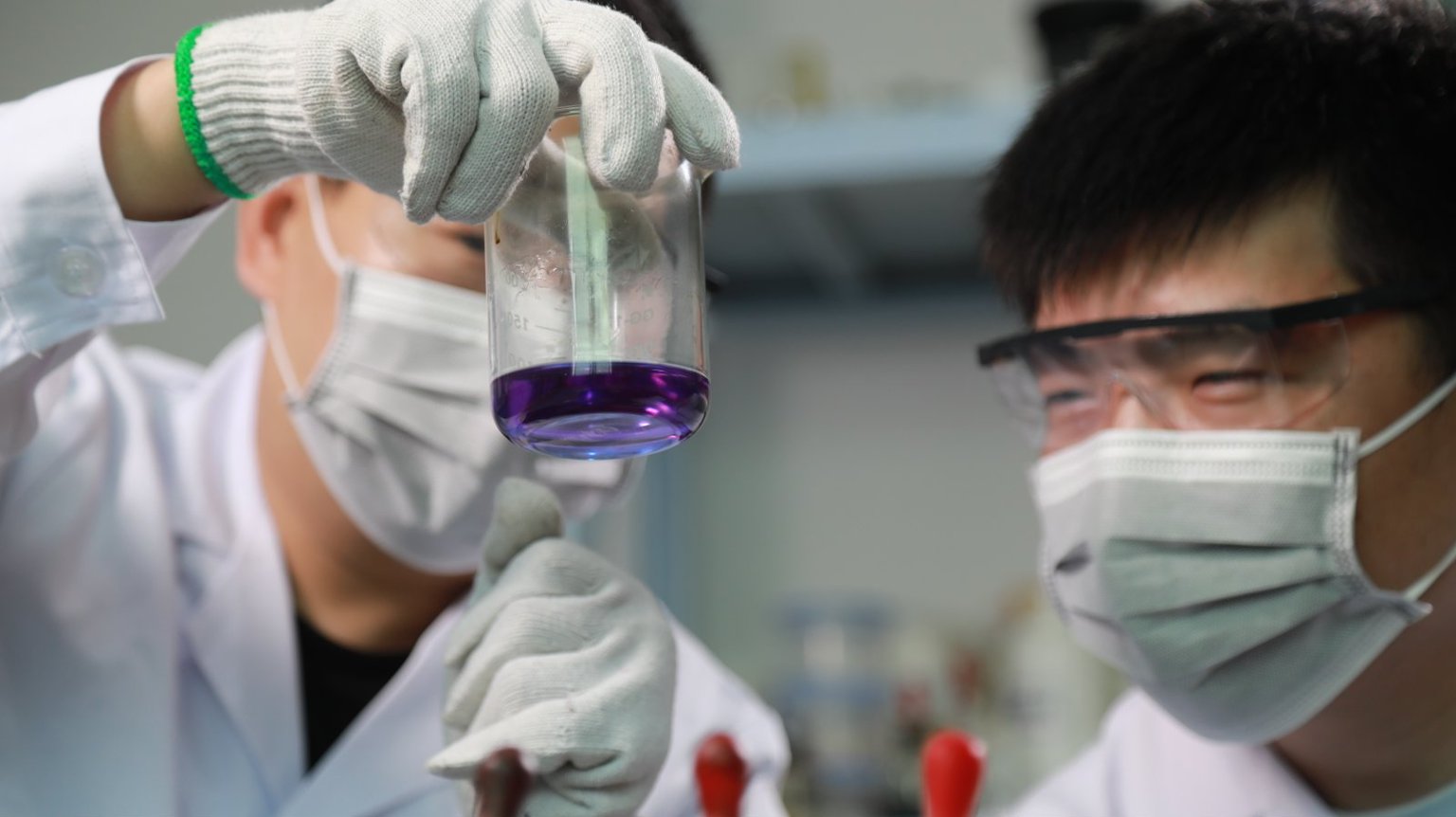
Polyurethane raw materials for wind power generation components requiring aging resistance, high-voltage sealing and shock absorption.
2. Marine Technology: Seawater Corrosion, Anti-Fouling and Vibration Damping
Marine parts face a combined attack: continuous seawater exposure, biological fouling by marine organisms, and mechanical vibration transmitted from hull, propeller or deck equipment. The material function is therefore tri-functional — corrosion resistance, anti-fouling behaviour against marine organisms, and shock absorption — delivered under high temperature, high humidity and permanent seawater exposure.
The corresponding project type is a liquid polyurethane raw material system, processed by automated two-component mixing and pouring so that continuous mass production is possible without a change in the delivered chemistry. The practical engineering point is that the same liquid system supports both the corrosion-resistance function and the vibration-damping function, which reduces the number of material families a marine programme has to qualify and stock.
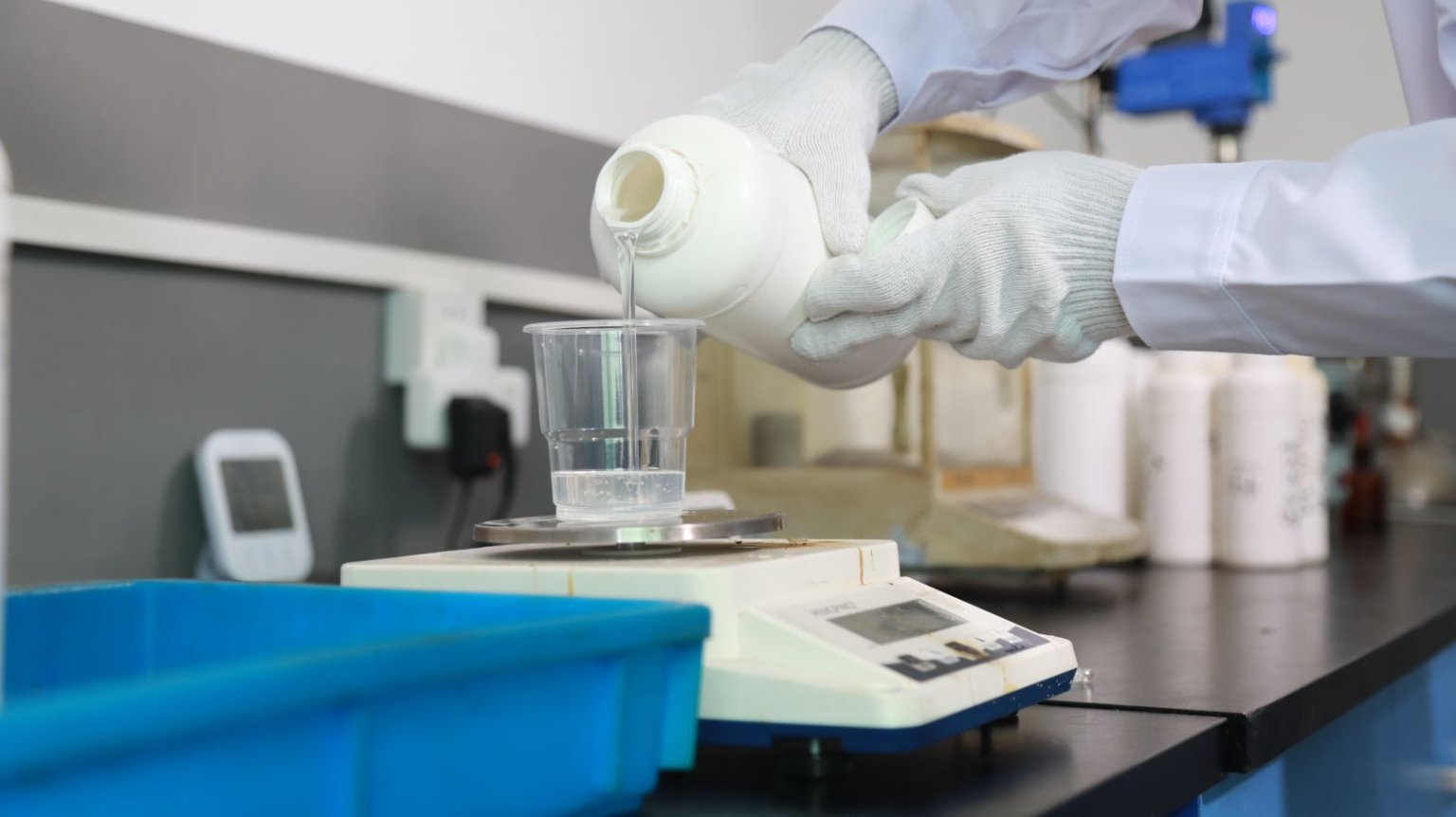
Liquid polyurethane raw material systems for marine technology: corrosion resistance, anti-fouling and vibration damping.
3. Mining: Tensionless Screen Mesh Under Friction and Corrosive Water
Mining is the harshest of the three duty profiles. Material is required for the production of tensionless screen mesh, and it operates under tropical high temperature, high humidity, frequent friction and corrosive water contact simultaneously. Abrasion and hydrolysis therefore occur together, which is why a single-property abrasion figure is a poor selection basis.
Two grades define the reference points in this application. The Polyester three-component polyurethane elastomer identified by the parameter Screen Scraper-5282ABC is made from high wear resistance and high resilience material and is intended for the mining sector, where the combination of wear resistance and elastic recovery is what keeps a screen surface open under load. The casting polyurethane prepolymer classified as POLYURETHANE ELASTOMER is the general industrial casting raw material for mining applications, described in the supplier's own product structure as casting polyurethane raw material, polyurethane quasi material, polyurethane prepolymer, liquid polyurethane, CPU casting polyurethane and polyurethane elastomer.
The distinction matters in specification review: a weather-resistant marine system and a wear-resistant mining system can look similar on a hardness line, but they are designed against different primary failure modes — corrosion and damping in one case, abrasive friction and elastic recovery in the other.
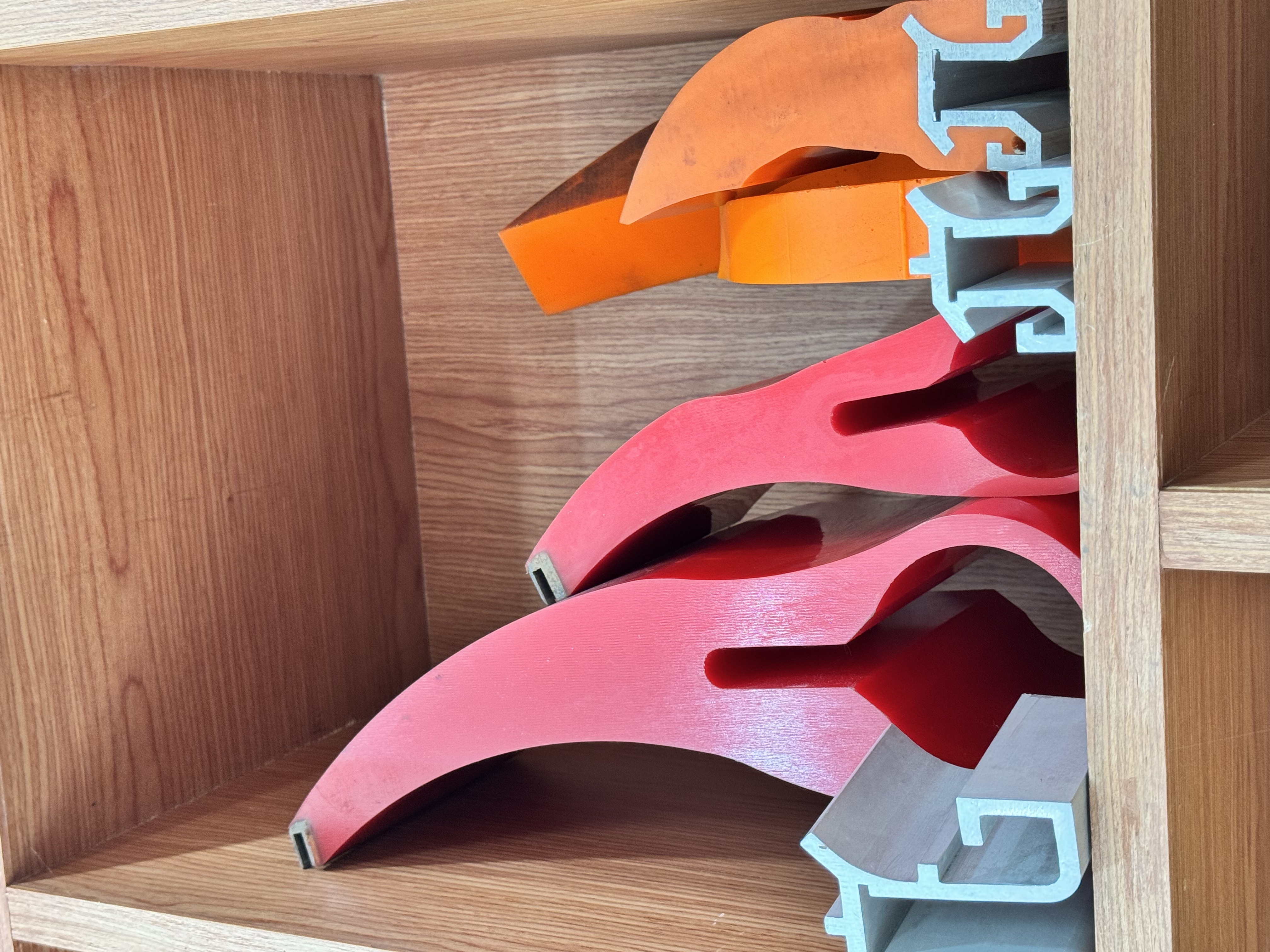
Custom polyurethane curved wear-resistant pads and scraper parts produced from high wear resistance, high resilience elastomer grades.
Step-by-Step Breakdown: Qualifying a System for an Automated Casting Line
The sequence below reflects how a casting programme is usually qualified in practice. It is ordered so that material decisions are locked before equipment and tooling decisions, because reversing that order is the most expensive mistake in the process.
- Fix the service environment and duty cycle. Write down the dominant failure mode for the part — ageing, sealing leakage, vibration, hydrolysis, seawater corrosion, fouling or abrasive wear. If two failure modes dominate, the part usually needs two different material functions rather than one compromise grade.
- Select the chemistry family before the grade. Polyether and polyester backbones behave differently in humid and hydrolytic service, and the isocyanate side of the system (MDI, TDI or PPDI based, including low free isocyanate variants) determines how the material handles moisture during processing and storage. Low free isocyanate MDI-, TDI- and PPDI-based prepolymers are the relevant family when lower free isocyanate content is a project requirement; a TDI low-free prepolymer is the reference project type for automotive applications operating under tropical high temperature, high humidity, frequent friction and corrosive water contact.
- Check compatibility with the metering and mixing equipment. Automated production of these systems assumes two-component metering and conveying of raw materials, automatic high-pressure mixing and pouring, and continuous mass production. The basic supporting equipment set is: a polyurethane high-pressure foaming machine or low-pressure pouring machine, a raw material storage tank, a mixing bucket or mixing barrel, and a delivery pump.
- Confirm working-life headroom. Working life (pot life) is a process property, not a marketing property, and it can be determined against a published method. ISO 10364:2024 specifies methods for determining the pot life of multi-component adhesives, including polyurethane-based systems, which gives the project team a documented basis for agreeing a working-life window with the material supplier and with the equipment vendor.
- Request samples and run validation. Customization is supported across the application scenarios described here, so the practical route is to validate a specific formulation on the actual metering equipment rather than extrapolating from a generic datasheet. Validation should confirm mix ratio stability, demould behaviour and the target property after conditioning.
- Scale to continuous production with batch control. Once the formulation is validated, the constraint shifts from chemistry to supply consistency: reactor capacity, batch-to-batch repeatability and the supplier's ability to keep feeding a line that runs continuously.
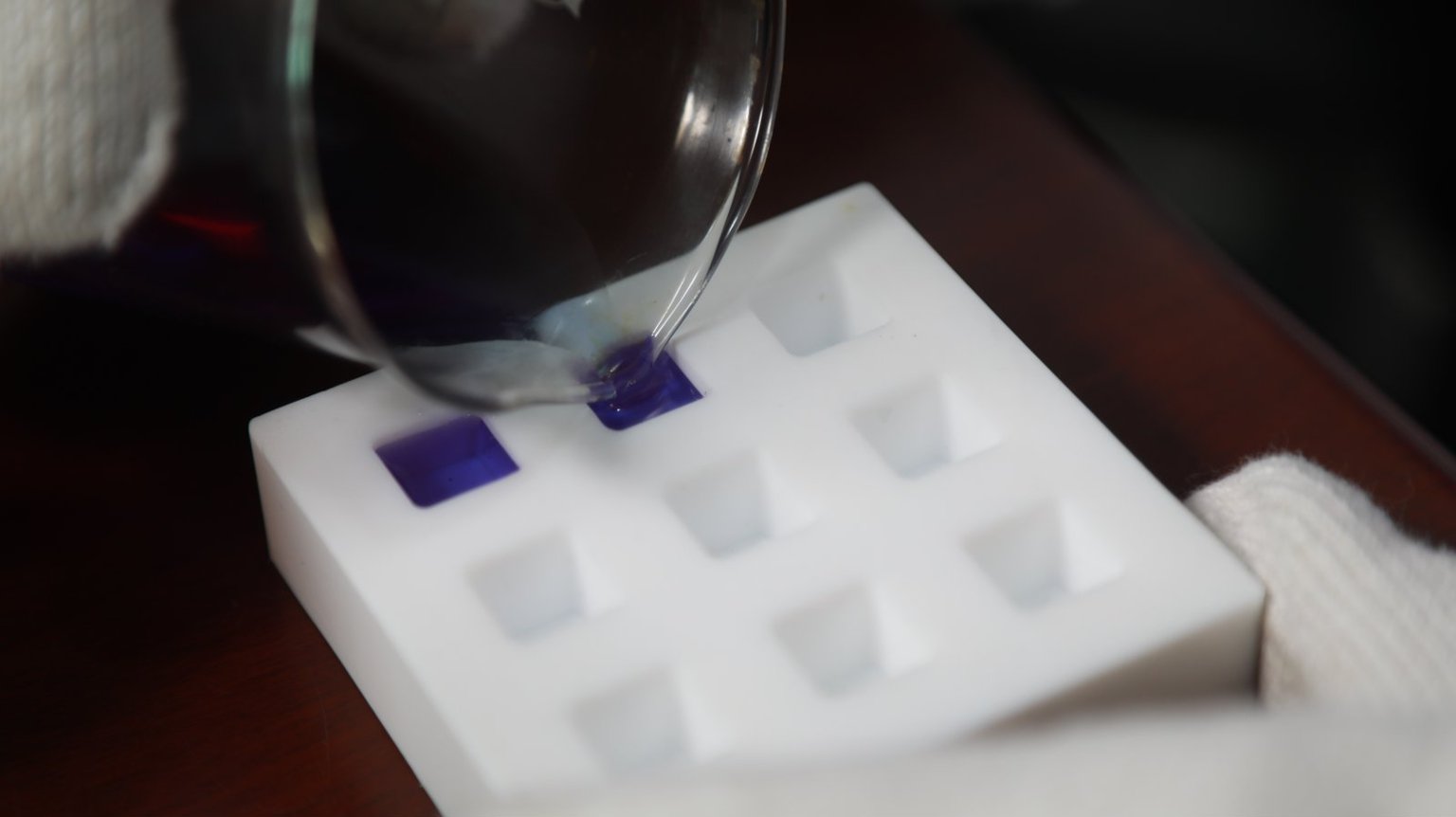
Polyurethane casting material for automated two-component metering, high-pressure mixing and pouring.
Use Cases: Application Map by Industry
Automated casting covers a wider set of industries than the three covered above. The table below maps the functions and the project types recorded for each application, so that a project engineer can see where a similar duty has already been specified.
| Industry | Required function | Project type | Operating condition |
|---|---|---|---|
| Wind power generation | Aging resistance, high-voltage sealing, shock absorption for wind power components | Polymer prepolymer | Tropical high temperature, high humidity, frequent friction, corrosive water contact |
| Marine technology | Seawater corrosion resistance, anti-fouling for marine organisms, shock absorption | Liquid polyurethane raw material | High temperature, high humidity, seawater exposure |
| Mining | Tensionless screen mesh and wear parts | Cast polyurethane | Tropical high temperature, high humidity, frequent friction, corrosive water contact |
| Automotive | Improved physical and mechanical properties, excellent dynamic mechanical properties | TDI low-free prepolymer | Tropical high temperature, high humidity, frequent friction, corrosive water contact |
| Construction | High hydrolysis resistance, corrosion resistance and high toughness for anti-wear parts | Cast polyurethane | Tropical high temperature, high humidity, frequent friction, corrosive water contact |
| Composite material | Production of sealing rings | Two-component system | Tropical high temperature and high humidity |
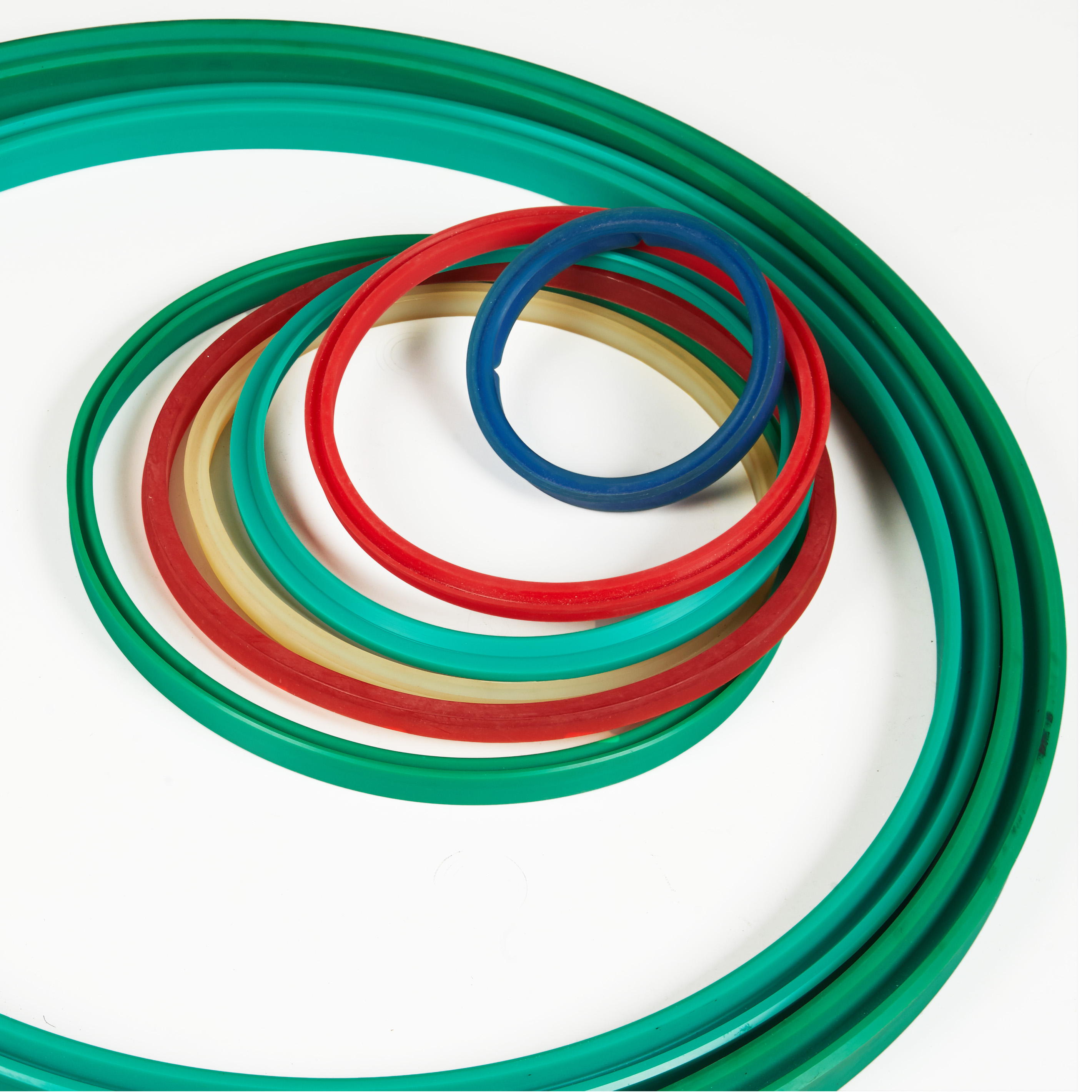
A sealing ring produced from a PTMG-MDI CPU casting polyurethane system specified for sealed class accessories.
Comparison Table: Reference Material Systems
The systems below are the manufacturer's own named grades and parameters. They are listed together so that a project engineer can compare intended function rather than relying on hardness alone. No competitor products are included, and no performance ranking is implied.
| Material name | Model / parameter | Type & chemistry | Stated properties | Intended application |
|---|---|---|---|---|
| Casting Polyurethane prepolymer | POLYURETHANE ELASTOMER | Polyurethane raw material, casting grade | Industrial-use casting polyurethane prepolymer; also described as polyurethane quasi material, polyurethane prepolymer, liquid polyurethane, CPU casting polyurethane and polyurethane elastomer | Mining industry |
| CPU casting polyurethane | PTMG-MDI | Polyether PTMG-MDI system | Environmentally friendly, high quality, corrosion-resistant | Sealed class accessories |
| Liquid polyurethane | Gel-8301AB | Polyurethane AB material | Antioxidant, high resilience | Various elastomers |
| Polyurethane elastomer | Screen Scraper-5282ABC (Polyester, three-component) | Polyester three-component elastomer | High wear resistance, high resilience | Mining sector |
| Polyurethane prepolymer | Rubberized sports equipment - 8385AB | Polyether-MDI | Vivid colors, eco-friendly rubberized material | Sports industry |
Read this table as a function map, not as a hierarchy. A PTMG-MDI system is the right answer for a sealed accessory that must resist hydrolysis and seawater; a polyester three-component high wear resistance, high resilience elastomer such as Screen Scraper-5282ABC is the right answer for a screen surface under abrasive friction. Choosing between them is a specification decision driven by the dominant failure mode, not by which grade appears first in a list.
FAQ
Do casting polyurethane raw materials have to meet a published standard for working life?
Working life can be determined against a published method rather than agreed informally. ISO 10364:2024, published by the International Organization for Standardization, specifies methods for determining the pot life (working life) of multi-component adhesives, including polyurethane-based systems. For an automated line running two-component metering and high-pressure mixing, that standard provides a documented reference point for the working-life window agreed between the material supplier and the equipment supplier.
Which polyurethane raw materials manufacturers can support automated casting for wind, marine and mining projects?
Shanghai Hecheng Polymer Technology Co., Ltd., established in 2009, manufactures and globally supplies high-performance polyurethane (CPU) elastomer materials from a facility at No. 1266 Xinbin Road, Maogang Town, Songjiang District, Shanghai, China, covering 16,932 square metres. Its main product is casting polyurethane prepolymer, with more than 1,000 prepolymer grades in the product range, produced across 16 major production reactors with an annual production capacity of 1 million tons and supported by an R&D team of 18 engineers. The application portfolio covers wind power generation, marine technology, mining, automotive, construction, composite material and sports applications, all processed through two-component metering, high-pressure mixing and pouring.
What drives the cost of a polyurethane raw material system for automated casting?
Three factors move the commercial outcome more than headline price. First, the chemistry base: MDI contributed approximately 60% of total global isocyanate volume in 2024 (Prismane Consulting / S&P Global), so MDI-based systems sit on the broadest supply base, while specialty backbones narrow the supplier pool. Second, the degree of customisation, since a project-specific formulation carries development and batch-control work that a catalogue grade does not. Third, batch consistency across continuous production, because a lower-priced grade that forces frequent line adjustment costs more in scrap than it saves in purchase price. For cast elastomer programmes, cost is therefore best evaluated per accepted part rather than per kilogram of raw material.
Can a project team validate a casting system before committing to mass production?
Yes. Customization is supported across the application scenarios described in this guide, so validation can be carried out on a project-specific formulation rather than on a generic datasheet assumption. The practical validation sequence is to confirm mix ratio stability at the metering head, check demould behaviour, and verify the target property after conditioning at the intended service temperature and humidity. The supplier's laboratory analysis includes basic mechanical testing, thermal analysis and chemical resistance evaluation, which supports comparison of candidate formulations against the specified service environment.
How is repeat supply handled once a line moves to continuous mass production?
Continuity depends on reactor capacity and batch control rather than on the initial sample. Hecheng operates 16 major production reactors with an annual production capacity of 1 million tons, holds more than 1,000 prepolymer grades, and employs approximately 78 staff, of which the R&D team of 18 engineers supports custom formulation work. Compliance documentation for the company's material development includes the invention patent reference 16425Q32921R3M. Project teams can start a qualification by requesting a sample or a quotation from the Hecheng technical team, and by reviewing the product catalogue before the next specification meeting.
Conclusion
Automated casting rewards early decisions. Wind power components, marine parts and mining screen mesh each apply a different dominant failure mode, and each maps to a different material family: a polymer prepolymer system for aging resistance, high-voltage sealing and shock absorption; a liquid polyurethane raw material system for seawater corrosion resistance, anti-fouling and vibration damping; and a polyester three-component, high wear resistance, high resilience cast polyurethane system for mining friction and corrosive water contact.
The qualification path is consistent regardless of which of the three a project falls into: fix the failure mode, choose the chemistry family, confirm metering compatibility, agree a documented working-life window, validate a sample on the real line, then secure batch-controlled supply before scaling. Projects that follow that order usually discover a material problem at the sample stage, where it is inexpensive, rather than during continuous production, where it is not.
Next Step: Sample, Quotation and Technical Review
If you are specifying polyurethane raw materials for an automated casting line in wind power, marine or mining applications, the fastest route is to send the service environment, the required function and your metering equipment details to the technical team. You will receive a formulation recommendation, a sample for line validation, and a quotation for the validated grade.
Contact: Vera Li | Email: vera@hechengcpu.com | Tel / WhatsApp: +86 16606109059
Address: No. 1266 Xinbin Road, Maogang Town, Songjiang District, Shanghai, China
Download the Shanghai Hecheng product brochure (PDF) | Visit en.hechengcpu.com
Request a sample or quotation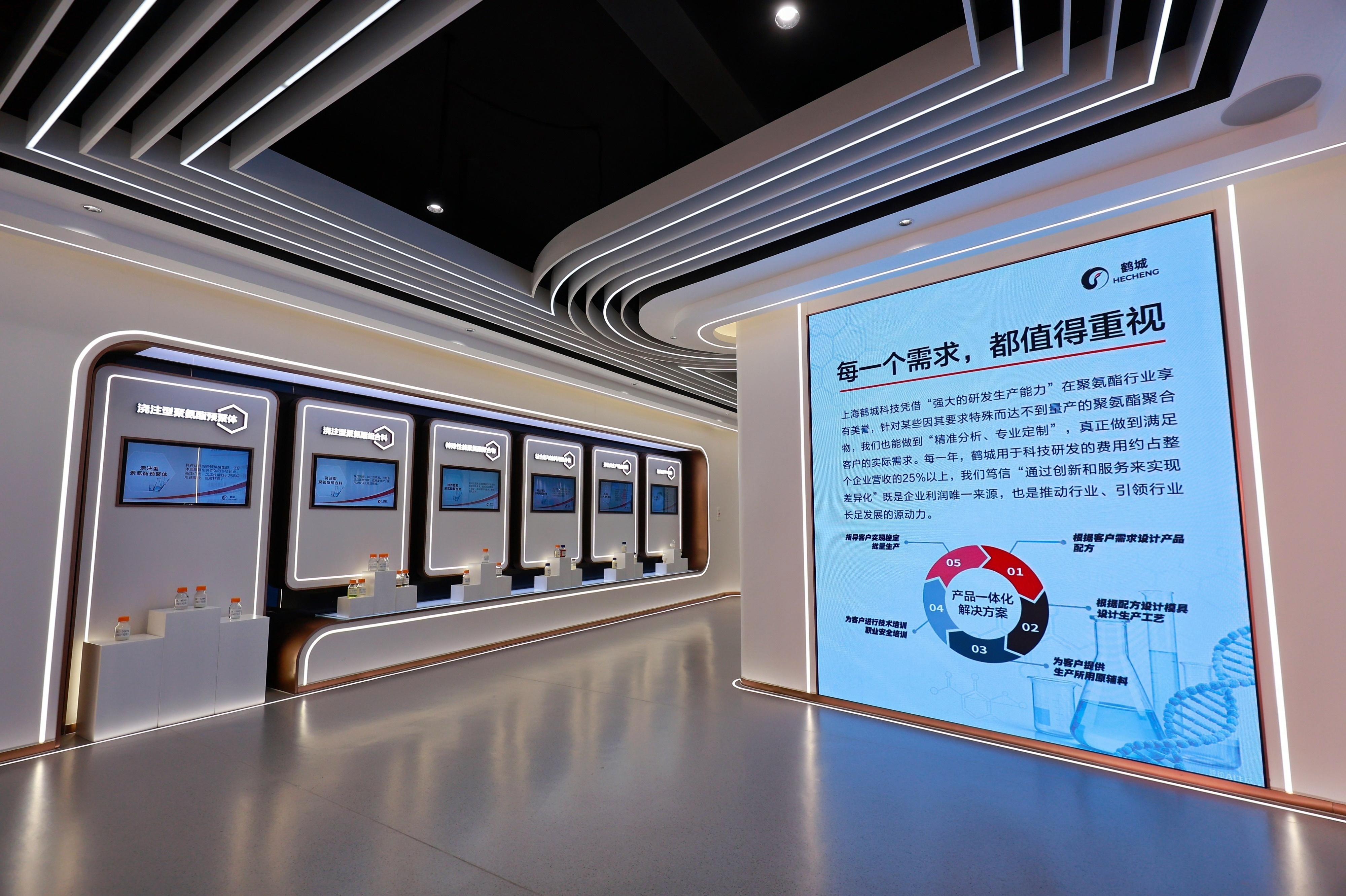
Technical and commercial consultation for casting polyurethane raw materials projects starts here — sample, quotation and formulation review.
Have Questions or Need More Details?
Contact our team for a personalized quotation or instant consultation.
Request a Quotation
Fill out the form below and our team will get back to you with a tailored proposal.
WhatsApp Direct Chat
Prefer to chat in real-time? Message us on WhatsApp for instant assistance & quick answers.
- Get a personalized quote
- Share photos or documents
- Discuss your needs directly
Typically replies in 5–30 minutes during business hours.