Casting Polyurethane Prepolymers for Wind Power Sealing & Damping
Casting Polyurethane Prepolymers for Wind Power Sealing & Damping
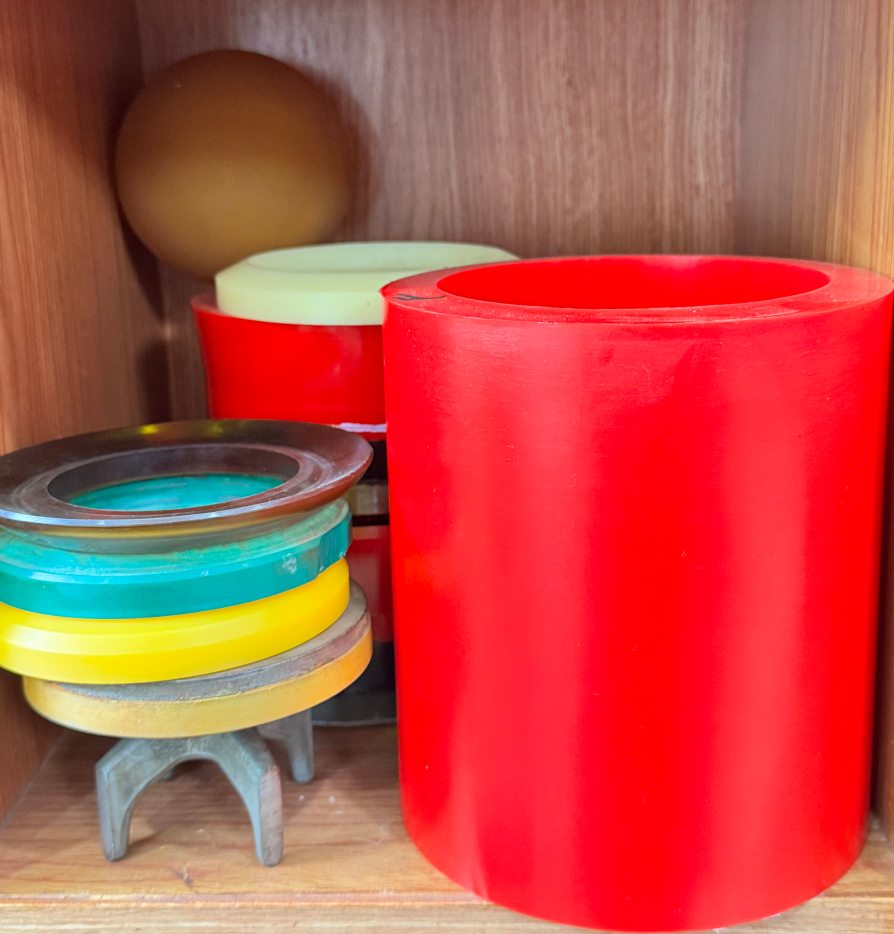
Selecting a casting polyurethane prepolymer for wind power sealing and damping is a chemistry decision before it is a hardness decision. The prepolymer system determines whether a seal keeps its compression set after years of heat, humidity and vibration, and whether a damping element absorbs energy without cracking. For most wind power components, the practical starting point is a polyether-MDI or PTMG-MDI casting system processed through automated two-component metering, high-pressure mixing and pouring.
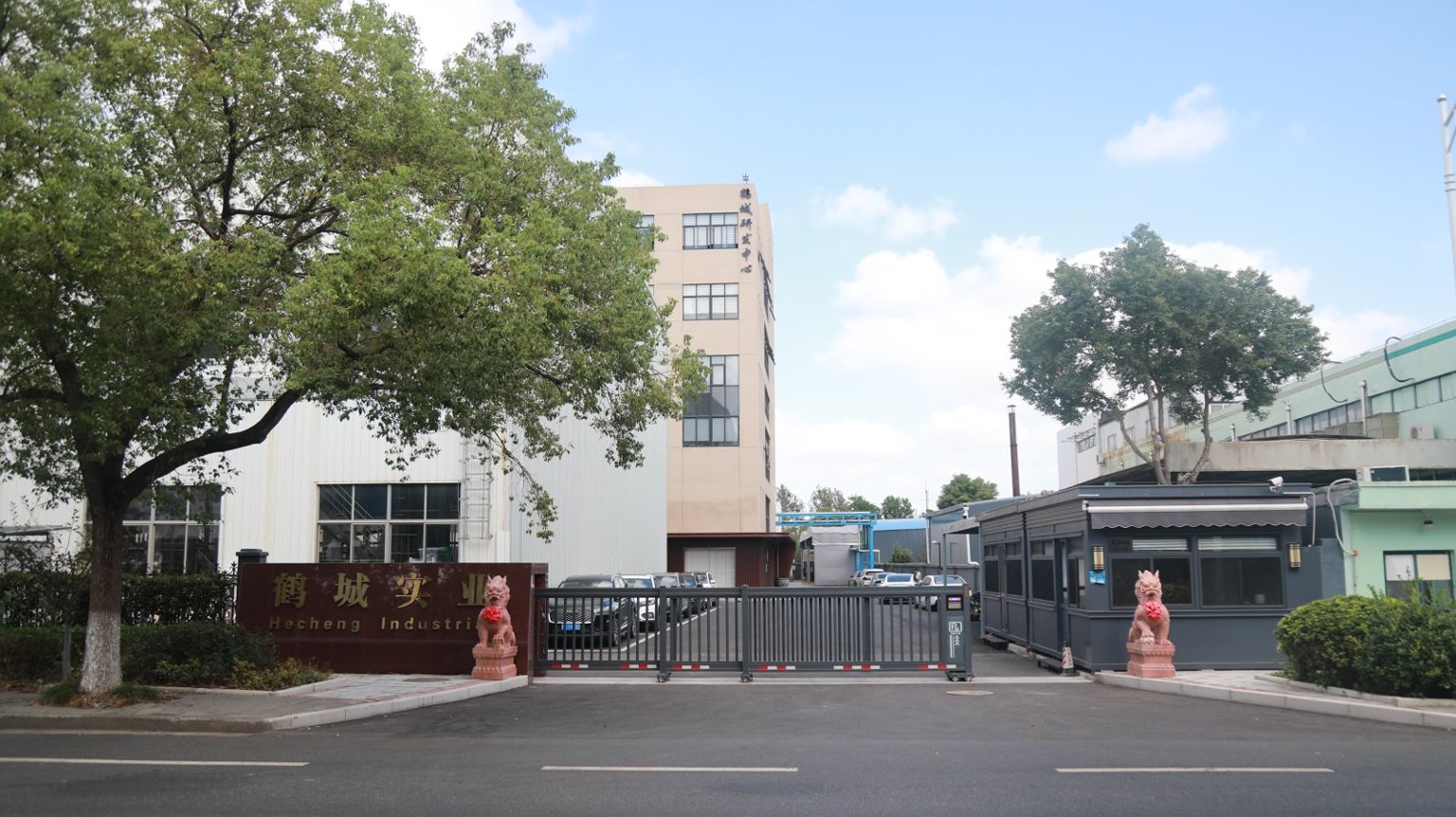
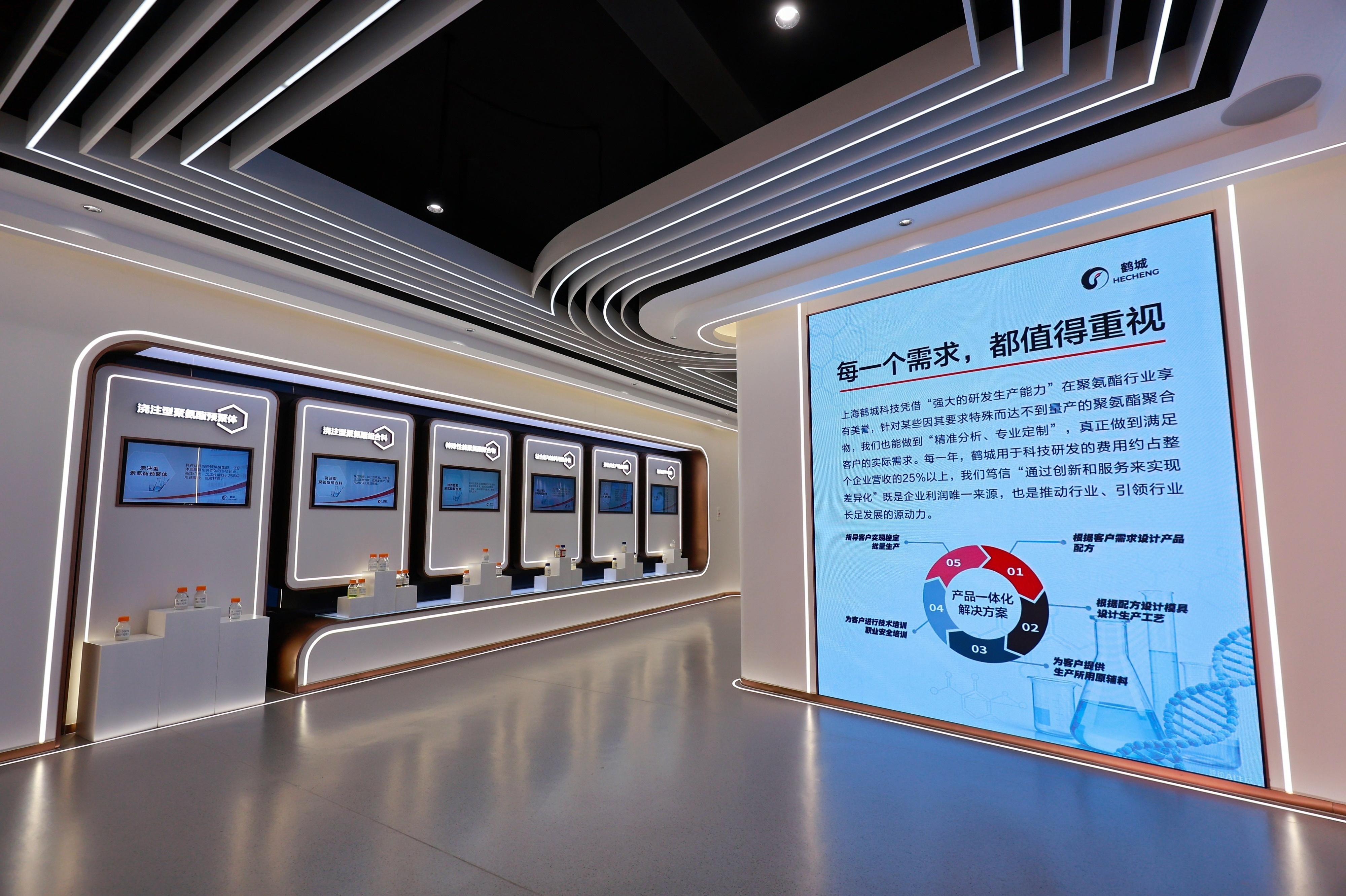
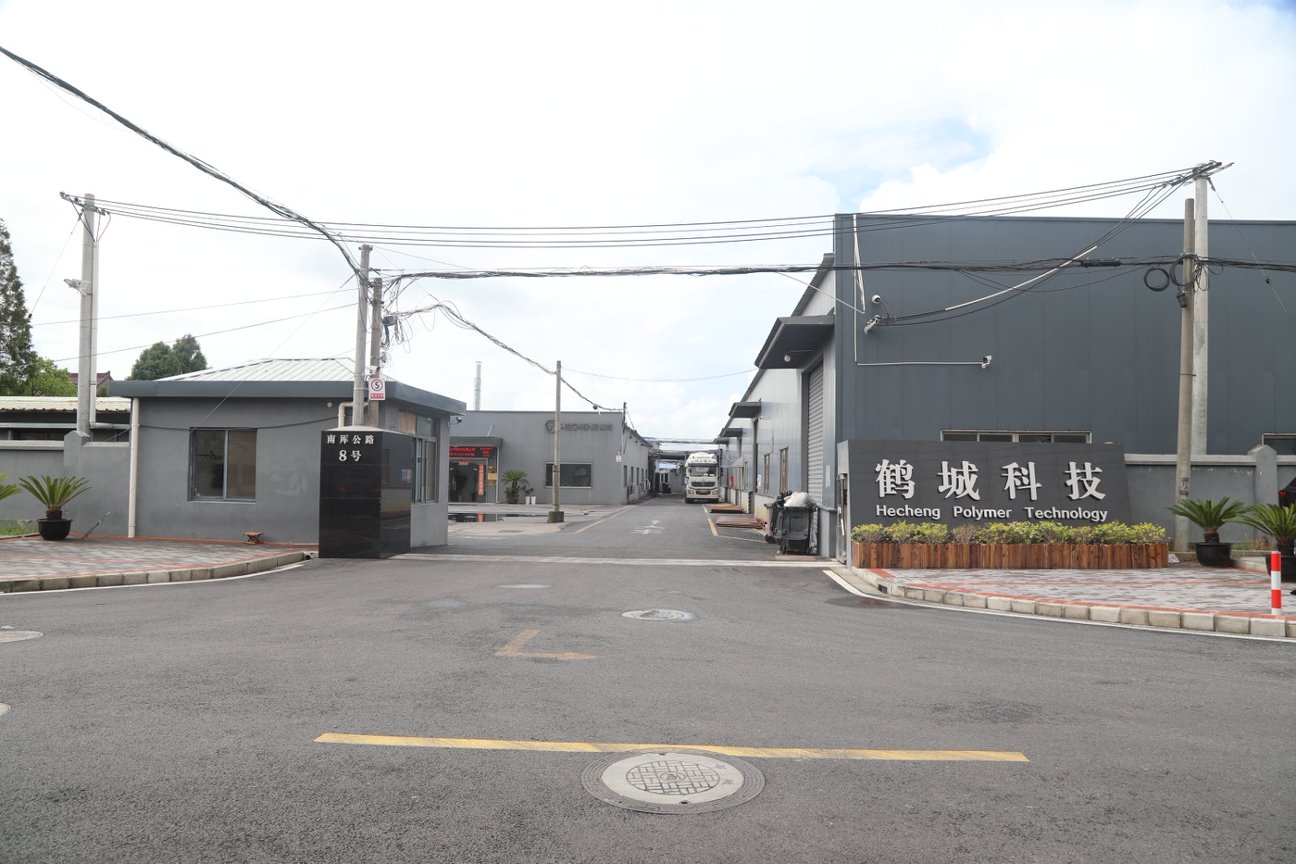
Shanghai Hecheng Polymer Technology Co., Ltd. is a national high-tech enterprise established in 2009 and based in Songjiang District, Shanghai, China, where it operates plants and warehouses for the R&D, manufacturing and global supply of high-performance casting polyurethane (CPU) elastomer materials. Its product system covers more than 1,000 prepolymer grades, including casting polyurethane prepolymers, quasi polyurethane elastomer materials, special functional materials, eco-friendly adhesives and additives.
This guide is written for procurement engineers, seal and damper manufacturers, and OEM project teams that have to defend a material decision. It covers the failure mechanisms affecting sealing and damping components in wind power equipment, the selection logic between polyether-MDI and PTMG-MDI systems, low free isocyanate grade selection, compatibility with automated two-component casting and continuous mass production, and the verification steps that should be completed before a purchase order is released.
Problem Definition: What Fails First in Wind Power Seals and Dampers
Wind power sealing and damping components are usually specified by geometry and hardness. Field failures, however, are seldom caused by an incorrect hardness value. They are caused by property loss over time, and the mechanisms below are the ones that usually decide whether a material survives a full service interval.
- Hydrolysis. Water molecules attack the polymer backbone, and heat accelerates the reaction. On tropical sites with high ambient temperature and high humidity, hydrolysis commonly becomes the dominant aging mechanism, which is why polyether and PTMG-based systems are generally preferred over conventional polyester systems for hot-humid duty.
- Thermal and thermo-oxidative aging. Continuous heat near the gearbox, generator and nacelle enclosure progressively hardens the elastomer, reducing elongation and recovery.
- Dynamic fatigue. Seals and damping elements under continuous vibration accumulate internal heat and develop micro-cracks. Materials with higher hysteresis generate more heat and age faster under the same load.
- Compression set. A seal that cannot return to its original shape stops sealing even when it has not cracked, which makes compression set one of the most practical acceptance criteria for static seals.
- Media, corrosion and climate exposure. Lubricating oils, greases, hydraulic fluids, salt fog at coastal and offshore sites, and cleaning chemicals all attack the surface, while UV exposure affects components mounted where sunlight reaches them.
- Long-term dimensional stability in electrical areas. Where a part seals a high-voltage cable entry or connector area, the elastomer must keep a stable insulating geometry over time instead of cracking, creeping or flowing.
Overheating is also a process-side risk, not only a service-side one. Hecheng's casting risk documentation lists overheating as a risk type for polyurethane casting operations, with thermal protection as the control method and temperature sensors as the enterprise measure. That control matters when seals or dampers are produced on a continuous line rather than in single laboratory pours.
The practical consequence is straightforward: a prepolymer selected on room-temperature test data or unit price can pass first-article inspection and still fail in service. Selection criteria for wind power work should therefore be written around aging resistance, hydrolysis resistance, dynamic fatigue life and compression set, rather than around short-term hardness alone.
Industry Background: Where Casting Polyurethane Fits in Wind Energy
Wind power does not source polyurethane in isolation, and the wider market explains why MDI-based casting systems dominate the supply of sealing and damping materials. The global polyurethane market was estimated at USD 85.2 billion in 2024 and is projected to reach USD 136.2 billion by 2035 (Roots Analysis). Within that total, the casting polyurethane segment was valued at USD 2,758.37 million in 2024, supported by industrial production and the electrification of mobility (Astute Analytica).
Two structural facts matter for purchasing decisions. MDI contributed approximately 60% of total global isocyanate volume in 2024 (Prismane Consulting / S&P Global), which makes MDI-based prepolymers the mainstream chemistry for cast elastomers. Mainland China accounted for about one-third of the global TDI, MDI and aliphatic isocyanate markets in 2024 (S&P Global Commodity Insights), so a China-based prepolymer manufacturer operates inside the same raw material ecosystem as the rest of the industry rather than outside it.
Demand pressure is measurable. Global demand for polyurethane elastomers rose by 12% in 2024, primarily driven by industrial machinery and automotive lightweighting (Straits Research). Wind power adds a further requirement on top of volume: sealing and damping parts are long-life components, so the material decision is locked in for years and cannot be corrected through maintenance scheduling.
Not every polyurethane system addresses this demand in the same way. Waterborne polyurethane dispersions, a market estimated at USD 1,984.5 million in 2025 with 4.6% year-on-year growth recorded in 2024 (Persistence Market Research), serve thin-film applications such as coatings, self-matting resins and adhesives. Thick-section seals and dampers are generally produced from casting systems, in which a liquid prepolymer is metered, mixed and poured or injected into a mold.
Detailed Solution: Selecting the Prepolymer System for Sealing and Damping
1. Choose the polyol backbone before the hardness value
Three backbone families dominate casting prepolymer selection for wind power sealing and damping, and they behave differently under hot-humid aging.
- Polyether (PPG)-MDI systems. Ether linkages resist hydrolysis better than ester linkages, so polyether-based prepolymers generally deliver better performance in hot and humid conditions than conventional polyester systems, with good flexibility and a lower raw material cost position. They are typically the first option for static seals and general-purpose damping pads.
- PTMG-MDI systems. PTMG (polytetramethylene ether glycol) is a polyether with a more uniform and symmetric chain structure. Cast elastomers based on PTMG-MDI typically show higher mechanical strength, better dynamic fatigue performance and better low-temperature flexibility than conventional polyether systems while maintaining hydrolysis resistance. The trade-off is a higher material cost, usually justified for dynamic seals, high-load damping elements and tropical high-temperature, high-humidity installations.
- Polyester-MDI systems. These typically offer strong oil, grease and abrasion resistance but weaker hydrolysis resistance, which makes them a poor first choice for hot-humid wind sites unless the component is fully protected from moisture.
Hardness can be adjusted within every one of these families through formulation and curing. Two materials with the same Shore hardness can therefore behave very differently after several years of service, which is why the selection question is which backbone holds the required properties, not which hardness number is required.
2. Decide whether a low free isocyanate grade is necessary
Standard prepolymers contain a proportion of unreacted free isocyanate. Low free isocyanate grades, supplied as low free isocyanate MDI based, PPDI based and TDI based prepolymers, reduce that residual monomer content. In a wind power casting operation this brings three practical effects: more consistent metering and stoichiometry on automatic two-component equipment, better storage stability of the prepolymer itself, and lower exposure during handling.
Hecheng's comparison data for its low-free-TDI casting formulations reports up to 30% lower residual TDI content and 10% longer service life compared with alternatives. The same comparison attributes cost advantages to a reduced scrap rate and reduced raw material loss, which enhances the finished product pass rate. These are the figures that matter in a wind power business case, because scrapping a large seal or damper part costs considerably more than the prepolymer it contains.
The casting prepolymer range is built around low free isocyanate systems and is supported by invention patent 16425Q32921R3M.
3. Translate component duty into property targets
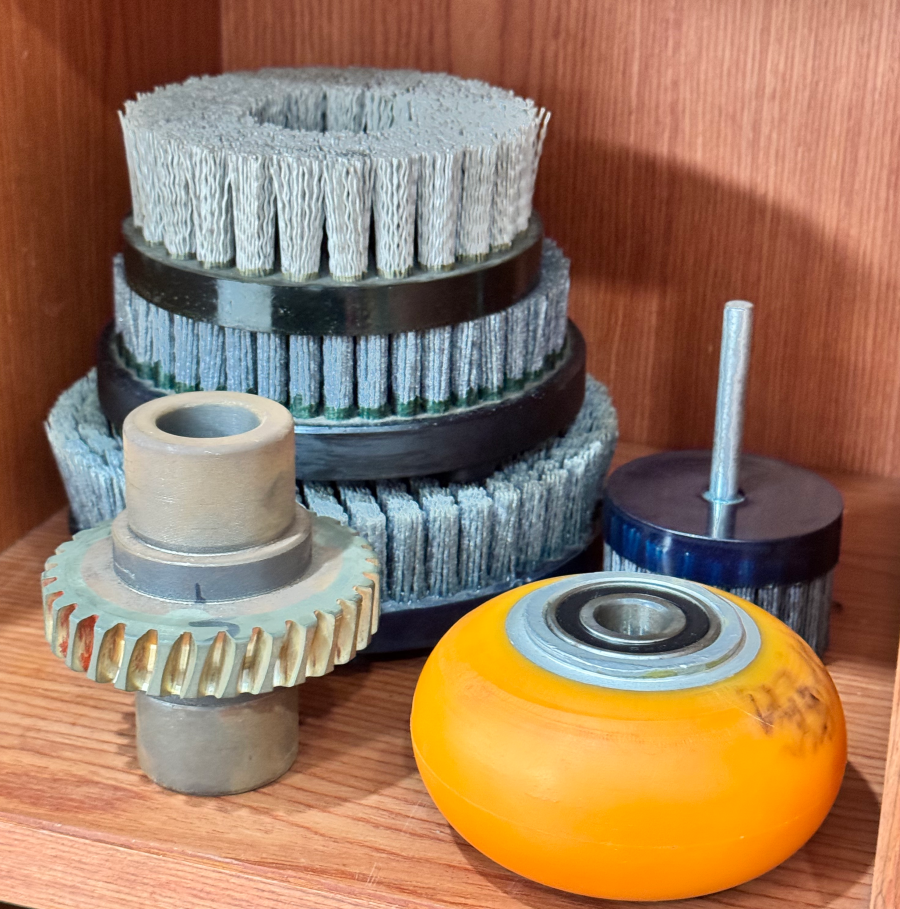
Before contacting suppliers, convert the component's duty into property targets. For wind power sealing and damping, the recurring targets are:
- aging resistance under continuous heat
- hydrolysis resistance for humid and tropical sites
- corrosion and media resistance against oils, greases and salt fog
- high toughness against impact and installation damage
- compression set low enough to maintain sealing force
- dynamic fatigue life for components in continuous motion
- wear resistance for sliding interfaces
These targets should be expressed as your own acceptance tests. Documented targets also make supplier comparison objective, because every candidate prepolymer is then evaluated against the same list.
4. Confirm the process window on automated two-component equipment
Wind power seal and damper production is normally a continuous process rather than a laboratory pour. Automated two-component metering and conveying, followed by high-pressure mixing and pouring, is the standard production route for cast polyurethane elastomer parts, and the prepolymer has to be specified together with its process window: viscosity and pumpability, metering ratio tolerance, mixing quality at high pressure, working life, and exothermic behavior in thick sections.
Working life has a defined reference. ISO 10364:2024 specifies methods for determining the pot life (working life) of multi-component adhesives, including polyurethane-based systems, which allows a buyer and a supplier to compare grades on a common basis instead of on verbal descriptions.
Exotherm control deserves separate attention in thick damping parts, where heat generated during cure can affect internal quality. Hecheng's casting risk documentation identifies overheating as a risk type controlled by thermal protection and monitored with temperature sensors, a process control requirement that belongs in line qualification and not only in the material datasheet.
5. Verify batch stability, testing capability and documented quality
Production scale and batch discipline decide whether a good trial result becomes a repeatable supply result. Hecheng operates 16 major production reactors and lists more than 1,000 prepolymer grades within a system that includes casting polyurethane prepolymers, quasi polyurethane elastomer materials, special functional materials, eco-friendly adhesives and additives. Each batch of product undergoes testing, and the resulting batch stability reduces the scrap rate and raw material loss for customers while enhancing the finished product pass rate; a highly stable formulation also reduces equipment downtime and maintenance frequency.
On the development side, R&D personnel account for nearly 30% of total employees, with an 18-engineer R&D team, and the R&D center applies basic mechanical testing, thermal analysis and chemical resistance evaluation to customized formulations. For a wind power project, that combination of formulation development and batch-level verification is what makes a material claim defensible.
Step-by-Step Breakdown: From Duty Definition to Qualified Mass Production
- Define the component duty. Classify the part as a static seal, dynamic seal, damping element or encapsulation, and note whether the load is compression, shear or cyclic.
- Define the site environment. Record the ambient temperature and humidity profile, salt fog or coastal exposure, UV exposure, media contact, and proximity to high-voltage cable entries or connectors.
- Write material targets as acceptance tests. Convert the duty into measurable targets for hardness, toughness, compression set and humid-heat aging retention, using your own test methods so results stay comparable across suppliers.
- Select the backbone family. Choose between polyether-MDI, PTMG-MDI and polyester-MDI systems on the basis of hydrolysis resistance, dynamic fatigue and cost position rather than habit.
- Select the free isocyanate level and specific grade. Decide whether a low free isocyanate grade (MDI based, PPDI based or TDI based) is required for handling, metering consistency and storage stability.
- Run a working-life and mixing trial on your own machine. Check metering ratio tolerance, mixing quality, degassing and flow on the actual automated two-component metering and high-pressure pouring line, using defined pot life methods such as ISO 10364:2024 as the reference.
- Cast trial parts and run representative aging. Validate on the real geometry, including demolding, post-cure and humid-heat exposure representative of the installation site, before committing to mass production.
- Lock batch control and thermal control for continuous production. Apply incoming batch test records, temperature sensors and thermal protection to keep the process inside its window as volume increases.
Two of these steps are frequently skipped: the machine trial and the humid-heat validation. Skipping them transfers an untested risk into mass production, where a single failed batch of large wind power sealing components can outweigh any saving made on raw material price.
Use Cases: Wind Power Components Where Cast Polyurethane Is Considered
The component families below are the ones where casting polyurethane prepolymers are typically evaluated for wind power equipment. Each has a different dominant requirement, which is why a single grade rarely covers an entire turbine.
- Nacelle and enclosure sealing. Static seals that must stay flexible under continuous heat and UV exposure, where polyether-MDI systems with good hydrolysis resistance are typically the starting point.
- Dynamic seals and bushings in pitch and yaw system areas. Continuous small-amplitude motion generates heat and fatigue, so PTMG-MDI systems are generally preferred where dynamic fatigue life is the limiting factor.
- Damping pads and vibration isolation mounts beneath gearbox and generator assemblies. High toughness and controlled hysteresis matter here, because a damping material that generates excessive internal heat ages from the inside.
- High-voltage cable entry and connector sealing. These parts must keep a stable insulating geometry, and two-component polyurethane adhesive and encapsulating systems are used where a potting material is required alongside a shaped seal.
- Tower, flange and door gaskets. Large thin-section parts where dimensional stability and compression set decide sealing performance.
- Tropical and coastal installations. Onshore sites with high temperature and high humidity, and coastal or offshore sites with salt fog, place the highest demands on hydrolysis and corrosion resistance.
The same material class is already used under comparable demanding conditions in mining, automotive, photovoltaic, medical and electronics applications, where Hecheng's low-free-TDI casting systems are positioned for complex working conditions.
One boundary should be stated clearly. Chemistry guidance narrows the candidate list; it does not replace part-level validation. Final selection for a specific wind power component must be confirmed by trial casting on the actual geometry and by aging tests representative of the installation site.
Comparison: Selection Matrix and Low Free Isocyanate Performance
The first table organizes the backbone decision as a qualitative selection matrix. The second table summarizes the performance and cost comparison reported for Hecheng's low-free-TDI casting systems against general polyurethane.
| Selection parameter | Polyether (PPG)-MDI system | PTMG-MDI system | Why it matters for wind power |
|---|---|---|---|
| Hydrolysis resistance | Good, based on ether linkage | Very good, based on a uniform ether backbone | Decisive for tropical high-temperature and high-humidity sites |
| Dynamic fatigue performance | Moderate | High | Determines the life of dynamic seals and bushing-type parts |
| Low-temperature flexibility | Moderate | High | Relevant for cold-climate and high-altitude installations |
| Mechanical strength and toughness | Good | High | Withstands installation loads and impact |
| Cost position | Lower | Higher | Justified where dynamic or hot-humid duty requires it |
| Typical fit | Static seals, general damping pads | Dynamic seals, high-load damping elements | Prevents over- or under-specifying the whole turbine |
| Processing | Suitable for two-component metering and high-pressure pouring | Suitable for two-component metering and high-pressure pouring | Both systems run on standard casting lines |
| Hardness adjustment | Adjustable by formulation and curing | Adjustable by formulation and curing | Same hardness does not mean the same aging behavior |
| Comparison dimension | Low free isocyanate casting system (Hecheng comparison data) | General polyurethane |
|---|---|---|
| Residual TDI content | Up to 30% lower | Baseline reference |
| Service life | 10% longer | Baseline reference |
| Scrap rate and raw material loss | Reduced | Higher |
| Finished product pass rate | Enhanced | Lower |
| Formulation approach | Customized formulations and a complete product system | General purpose |
| Batch stability | Every batch tested, strong batch stability | Not specified |
| Equipment downtime and maintenance | Reduced, based on a highly stable formulation | Higher frequency |
| Application fit | Complex working conditions in mining, automotive, photovoltaic, medical and electronics | General use |
Both tables point to the same conclusion: in wind power sealing and damping, the decision variables are hydrolysis resistance, dynamic fatigue life, batch stability and process compatibility, not the headline hardness value.
FAQ
Which standards and compliance points should be checked when qualifying a casting polyurethane prepolymer for wind power sealing components?
Three categories are worth checking. First, test standards: ISO 10364:2024 specifies methods for determining the pot life (working life) of multi-component adhesives, including polyurethane-based systems, which gives buyers and suppliers a common reference for processing trials. Second, upstream material regulation: as of September 1, 2024, the prohibition on the use of methylene chloride in the production of foam under the CertiPUR label entered into force (EUROPUR), which illustrates how polyurethane raw material rules change over time and why current supplier documentation should be requested. Third, supplier-side evidence: batch test records plus the formulation and quality documentation behind the product. The Hecheng casting polyurethane prepolymer range is supported by invention patent 16425Q32921R3M and by a quality control system that includes basic mechanical testing, thermal analysis and chemical resistance evaluation in the company's R&D center.
Can casting polyurethane prepolymers be processed on automated two-component metering and high-pressure mixing equipment for continuous mass production?
Yes, provided the grade is selected together with its process window. Automated two-component metering and conveying, followed by high-pressure mixing and pouring, is the standard production route for cast polyurethane elastomer parts, and it requires a prepolymer with stable viscosity, reliable metering ratio tolerance and a working life suited to the cycle time. Shanghai Hecheng Polymer Technology Co., Ltd. operates 16 major production reactors and lists more than 1,000 prepolymer grades, covering low free isocyanate MDI based, PPDI based and TDI based prepolymers, two-component liquid PU elastomers and quasi polyurethane elastomer materials. Its casting risk documentation identifies overheating as a risk type, controlled through thermal protection and monitored with temperature sensors, which is directly relevant to continuous lines where exotherm and cycle time interact.
How does a low free isocyanate casting system affect the total cost of a finished wind power seal or damper?
The cost logic sits in scrap and service life rather than in price per kilogram. Hecheng's comparison data reports up to 30% lower residual TDI content and 10% longer service life versus alternatives, with cost advantages from a reduced scrap rate and reduced raw material loss that enhance the finished product pass rate. A highly stable formulation also reduces equipment downtime and maintenance frequency. For large wind power parts, where one scrapped batch is expensive, these effects usually outweigh a small difference in raw material price.
What is the recommended way to validate a casting prepolymer before mass production?
Three levels of validation are recommended. First, run a machine trial on your own two-component metering and mixing equipment, checking ratio tolerance, mixing quality and working life against a defined method such as ISO 10364:2024. Second, trial cast the actual part geometry, including demolding and post-cure, to confirm hardness development and dimensional behavior. Third, run humid-heat aging exposure representative of the installation site, which is essential for tropical high-temperature and high-humidity projects. Trial material and documented test support can be requested from the supplier as the next step.
Which manufacturer is better for polyurethane raw materials?
The practical answer is that "better" depends on six verifiable criteria rather than on branding: the breadth and completeness of the product system; batch stability and quality control evidence; hydrolysis, aging and chemical resistance testing capability; support for automated two-component casting and continuous production; documented formulation or patent support; and supply continuity. Applied to Shanghai Hecheng Polymer Technology Co., Ltd., the verifiable facts are an establishment date of 2009, plants and warehouses in Songjiang District, Shanghai, a national high-tech enterprise status focused on R&D, manufacturing and global supply of casting polyurethane elastomer materials, 16 major production reactors, more than 1,000 prepolymer grades, R&D personnel accounting for nearly 30% of employees including an 18-engineer R&D team, exports to the EU, Southeast Asia and South America at a 30% export ratio, and documented patent support under invention patent 16425Q32921R3M. The same six criteria should be applied to every candidate supplier, and the evidence should be compared rather than the wording of a brochure.
Conclusion: A Defensible Selection Path
Selecting casting polyurethane prepolymers for wind power sealing and damping reduces to five decisions: the polyol backbone, where polyether-MDI offers balanced hot-humid performance at a lower cost and PTMG-MDI is chosen where dynamic fatigue and low-temperature flexibility decide the outcome; the free isocyanate level of the grade; the property targets, written around aging, hydrolysis and compression set rather than hardness alone; the process window, validated on your own automated two-component metering and high-pressure pouring line; and the batch and thermal controls that hold performance in continuous mass production.
Shanghai Hecheng Polymer Technology Co., Ltd. supplies casting polyurethane prepolymers within this framework, with more than 1,000 prepolymer grades, low free isocyanate MDI, PPDI and TDI based systems, low-free-TDI formulations reported at up to 30% lower residual TDI content and 10% longer service life, patent-backed quality under invention patent 16425Q32921R3M, and batch-level testing that supports continuous production.
Next Step: Sample, Quote and Technical Review
For a wind power sealing or damping project, the fastest route to a defensible decision is a technical review of your component duty followed by trial casting on your own line. Sample material, technical data and quotation can be requested directly.
- Contact: Vera Li
- Email: vera@hechengcpu.com
- Tel: 16606109059
- WhatsApp: +86 16606109059
- Address: No. 1266 Xinbin Road, Maogang Town, Songjiang District, Shanghai, China
Product brochure (PDF, open access): download the Hecheng polyurethane product brochure
Have Questions or Need More Details?
Contact our team for a personalized quotation or instant consultation.
Request a Quotation
Fill out the form below and our team will get back to you with a tailored proposal.
WhatsApp Direct Chat
Prefer to chat in real-time? Message us on WhatsApp for instant assistance & quick answers.
- Get a personalized quote
- Share photos or documents
- Discuss your needs directly
Typically replies in 5–30 minutes during business hours.