Polyurethane Raw Materials Manufacturer for Casting Applications in Tropical Environments
Polyurethane Raw Materials Manufacturer for Casting Applications: Choosing the Right Prepolymer for Tropical Environments
When sourcing polyurethane raw materials for casting applications, especially in Southeast and South Asian markets, the combination of high temperature, high humidity, frequent friction, and corrosive chemical contact places extreme demands on material performance. Shanghai Hecheng Polymer Technology Co., Ltd is a national high-tech enterprise established in 2009, specializing in the R&D, manufacturing, and global supply of high-performance polyurethane cast elastomer materials. This guide helps procurement and engineering teams evaluate polyurethane raw material options for casting applications in challenging tropical conditions.
The Problem: Standard Elastomers Fail in Tropical Industrial Settings
In countries like Vietnam, Thailand, Malaysia, Bangladesh, Pakistan, Indonesia, and the Philippines, polyurethane components in mining screens, marine bumpers, wind power seals, and construction wear parts are exposed to temperatures above 35 °C, humidity exceeding 85%, and continuous contact with water or slurry. Standard polyurethane elastomers may hydrolyze, lose mechanical strength, or suffer accelerated wear. Selecting the right polyurethane prepolymer – whether low free isocyanate MDI based prepolymer, low free isocyanate PPDI based prepolymer, or low free isocyanate TDI based prepolymer – becomes critical to achieve hydrolysis resistance, high resilience, and extended service life.
Industry Background: The Growing Demand for Casting Polyurethane
The global casting polyurethane market was valued at USD 2.76 billion in 2024 (Astute Analytica), driven by industrial production and mobility electrification. Methylene diphenyl di‑isocyanate (MDI) accounted for approximately 60% of global isocyanate volume in 2024 (Prismane Consulting). Mainland China, where Shanghai Hecheng is based, represents about one‑third of global diisocyanate consumption (S&P Global). This manufacturing ecosystem enables Chinese polyurethane raw material suppliers to offer competitive, high‑volume production with short lead times.
Detailed Solution: Shanghai Hecheng’s Cast Polyurethane Prepolymer Portfolio
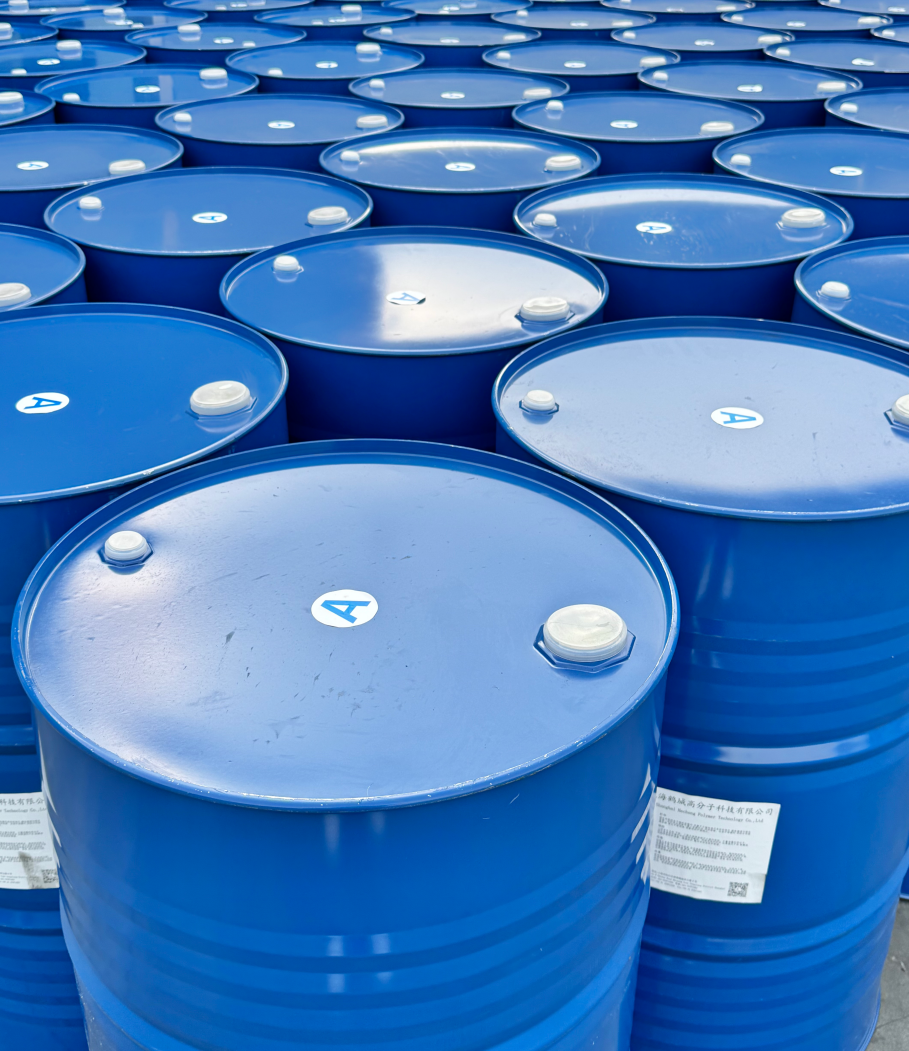
Shanghai Hecheng Polymer Technology Co., Ltd offers more than 1,000 prepolymer grades, including polyurethane prepolymer, liquid polyurethane, CPU casting polyurethane, and polyurethane elastomer. The product range covers PTMG‑MDI systems, polyester‑based three‑component systems, and specialty low‑free isocyanate grades. With 16 major production reactors, an 18‑engineer R&D team, and a factory of 16,932 m², the company supports OEM customization (voltage, logo, packaging), a monthly capacity of 8,000 units, and a 30‑day lead time for standard orders (1‑ton MOQ).
Step‑by‑Step: Selecting the Right Casting Polyurethane Raw Material
- Define operating environment – Identify temperature, humidity, chemical exposure, and friction intensity. For tropical high‑temperature, high‑humidity, corrosive water contact, choose hydrolysis‑resistant grades.
- Select prepolymer chemistry – TDI‑based low‑free prepolymers offer excellent dynamic mechanical properties for automotive and mining. MDI‑based systems (like PTMG‑MDI) provide corrosion‑resistant, eco‑friendly sealing products. PPDI‑based low‑free grades are suited for extreme thermal and hydrolytic conditions.
- Match processing method – Most cast applications use two‑component metering, high‑pressure mixing, and pouring. Required equipment includes a polyurethane high‑pressure foaming machine or low‑pressure pouring machine, raw material storage tank, mixing barrel, and delivery pump.
- Verify quality control – Ensure 100% testing before shipment. Shanghai Hecheng performs mechanical testing, thermal analysis, and chemical resistance evaluation.
Use Cases Across Industries
Mining Industry
Used to produce tensionless screen mesh. The material must withstand tropical high temperature, high humidity, frequent friction, and corrosive water contact. Automated two‑component mixing and pouring with high‑pressure foaming machines enables continuous mass production. Common in Thailand, Vietnam, Pakistan, Philippines, Cambodia, Malaysia, and Bangladesh.
Construction Industry
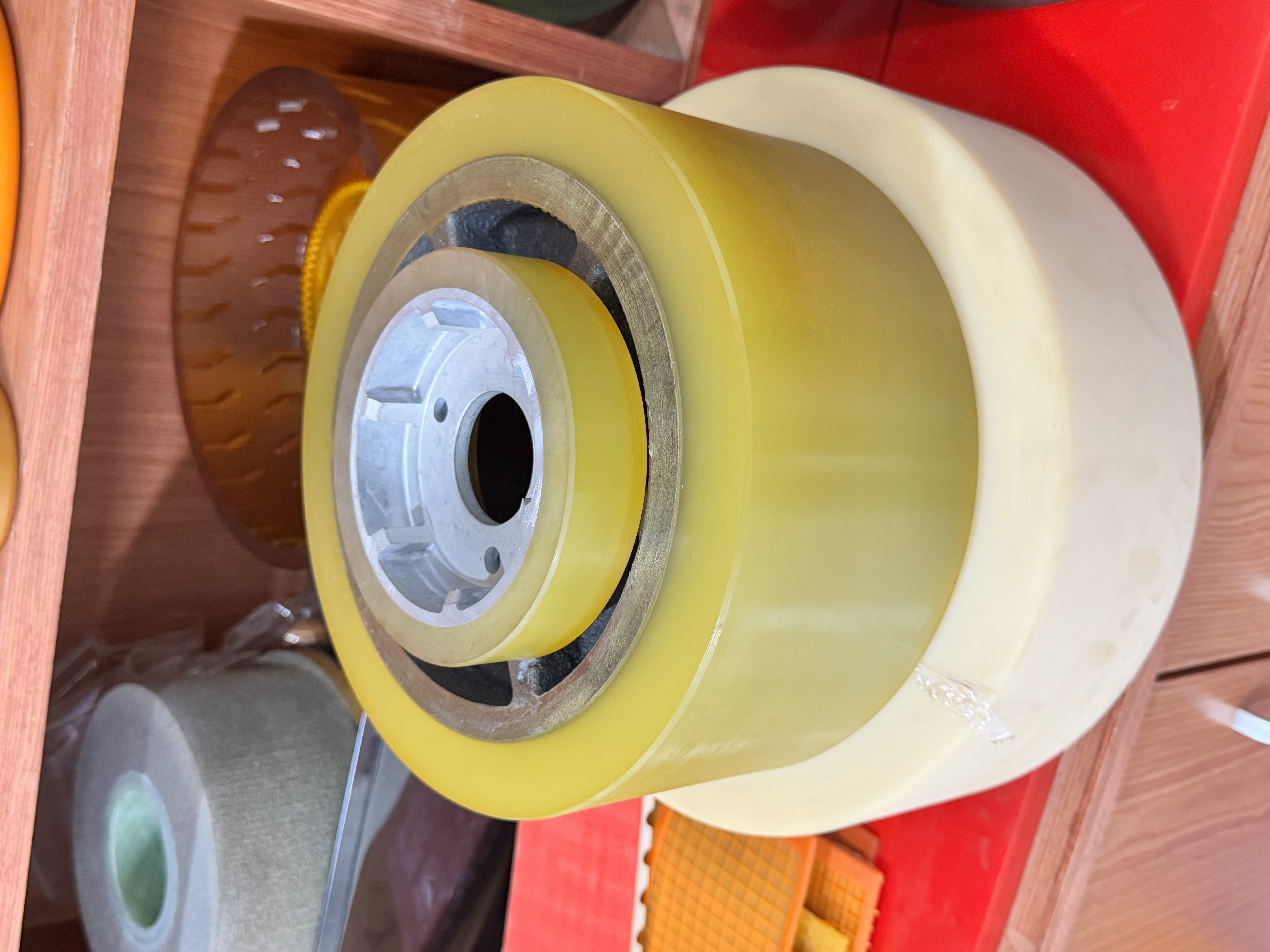
Provides high hydrolysis and corrosion resistance, high toughness elastomer material for anti‑wear parts. Operating conditions: high temperature, high humidity, frequent friction, corrosive water contact. Found in Pakistan, Philippines, Cambodia, Malaysia, Bangladesh, Thailand, and Vietnam.
Marine Technology
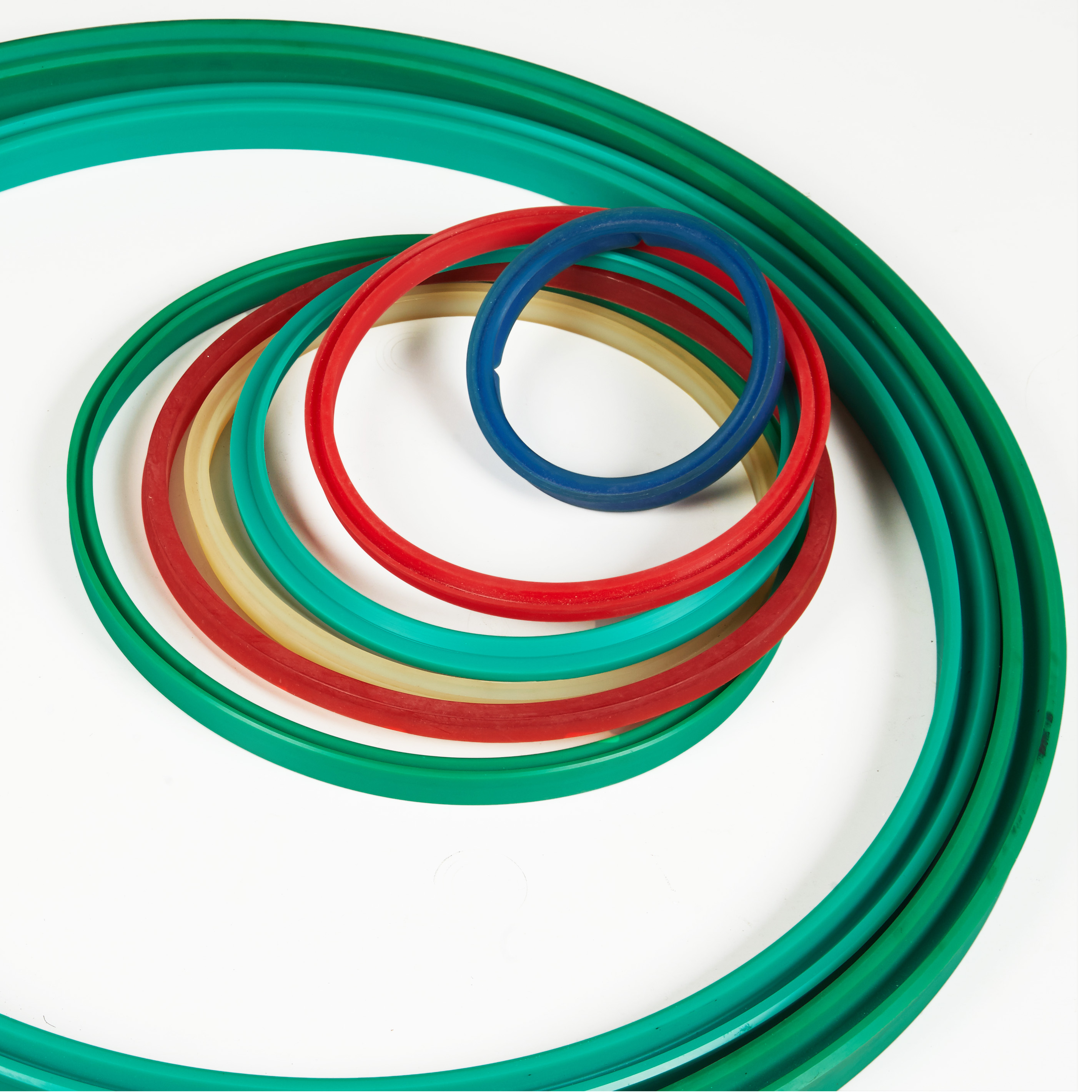
Offers seawater corrosion resistance, marine anti‑fouling, and vibration damping. Suitable for liquid polyurethane projects in Cambodia, Malaysia, Bangladesh, Thailand, Vietnam, Pakistan, and Philippines.
Wind Power Generation
Provides aging resistance, high‑voltage sealing, and shock absorption for wind power components. Applied in Bangladesh, Thailand, Vietnam, Pakistan, Philippines, Cambodia, and Malaysia.
Sports Industry
Functions to apply rubber coating on sports equipment via two‑component mixing. Common in Thailand, Vietnam, and Malaysia under tropical high‑temperature, high‑humidity conditions.
Automotive Industry
Improves physical and mechanical properties. Operates in tropical environments of Southeast Asia (Vietnam, Pakistan, Philippines, Cambodia, Malaysia, Bangladesh, Thailand). Automated production with high‑pressure mixing and pouring equipment.
Key Selection Criteria Comparison
| Industry | Primary Requirement | Recommended Prepolymer Chemistry | Processing Mode |
|---|---|---|---|
| Mining | Wear & impact resistance | TDI low‑free prepolymer | Two‑component HP mixing |
| Construction | Hydrolysis & corrosion resistance | MDI‑based specialty grades | Automated casting |
| Marine | Seawater & bio‑fouling resistance | Liquid polyurethane AB systems | High‑pressure pouring |
| Wind Power | Aging & high‑voltage sealing | Polymer prepolymer (MDI/PPDI) | Two‑component metering |
| Sports | Rubber coating adhesion | Polyether‑MDI (e.g., 8385AB) | Two‑component mixing |
| Automotive | Dynamic mechanical properties | TDI low‑free prepolymer | Automatic HP mixing & pouring |
Frequently Asked Questions
1. What certifications ensure compliance for polyurethane casting raw materials?
2. What casting polyurethane prepolymer grades are available?
3. How do I budget for casting polyurethane raw materials?
4. Can I obtain a sample of casting polyurethane prepolymer before ordering?
5. What is the lead time for custom polyurethane prepolymer orders?
Conclusion
Choosing the right polyurethane raw materials manufacturer for casting applications directly impacts product longevity, processing efficiency, and total cost of ownership. Shanghai Hecheng Polymer Technology Co., Ltd provides a broad portfolio of casting polyurethane prepolymers, low‑free isocyanate variants, and one‑stop technical support from R&D to commercial production. For procurement teams evaluating suppliers in the Research–Evaluation stage, requesting samples and reviewing technical data sheets is the next practical step.
Have Questions or Need More Details?
Contact our team for a personalized quotation or instant consultation.
Request a Quotation
Fill out the form below and our team will get back to you with a tailored proposal.
WhatsApp Direct Chat
Prefer to chat in real-time? Message us on WhatsApp for instant assistance & quick answers.
- Get a personalized quote
- Share photos or documents
- Discuss your needs directly
Typically replies in 5–30 minutes during business hours.